

By Keith Yi, IBEC, faculty member at Inha University, South Korea
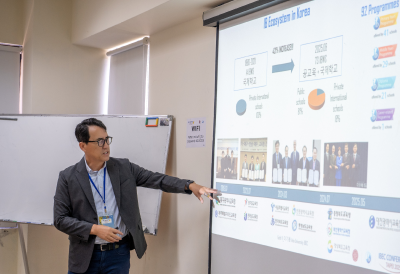
How it started
My journey with the IB Educator Certificates (IBEC) in South Korea began unexpectedly. After helping launch North London Collegiate School in Jeju and leading a school in New York, a university dean in South Korea asked me to support their IBEC recognition process. This process involves aligning a university’s teaching programme with the International Baccalaureate (IB) philosophy and pedagogy. IBEC certificates are offered through recognised teaching and leadership degrees at nearly 60 universities in 16 countries. They’re designed to give educators the skills and knowledge they need to deliver high-quality education in an IB setting.
So, what started as a short-term project during the early days of COVID-19 quickly became a long-term mission to grow IBEC across the country.
Growing IBEC recognition
Since 2020, I’ve helped six universities in South Korea gain IBEC recognition. The impact has been huge; hundreds of teachers have completed IBEC programmes, and many have become coordinators and leaders in IB world schools. IBEC is helping us build a strong foundation of educators who understand and apply IB principles in their classrooms.

A rapid rise in IB world schools
Just over six years ago, Korea had no public IB world schools. That changed when two offices of education signed agreements with the IB. Today, we have over 70 public IB world schools, which are on track to reach 100 next year, and possibly 200 the year after. This kind of growth is rare in the IB’s history and shows how powerful the IBEC model can be when supported by strong partnerships.
Working with education offices
One thing that makes Korea’s IBEC model unique is the close partnership between universities and local education offices. These offices often cover tuition costs for teachers, helping us build a strong pool of educators trained in IB pedagogy. This means schools have qualified coordinators ready to lead their IB journey.
Connecting universities and schools
IBEC universities in Korea work closely with IB world schools. teacher candidates at all universities can do their practicum (which is a requirement of their qualification) at a nearby IB world school. This gives them hands-on experience with IB teaching in real classrooms and helps bridge theory with practice.
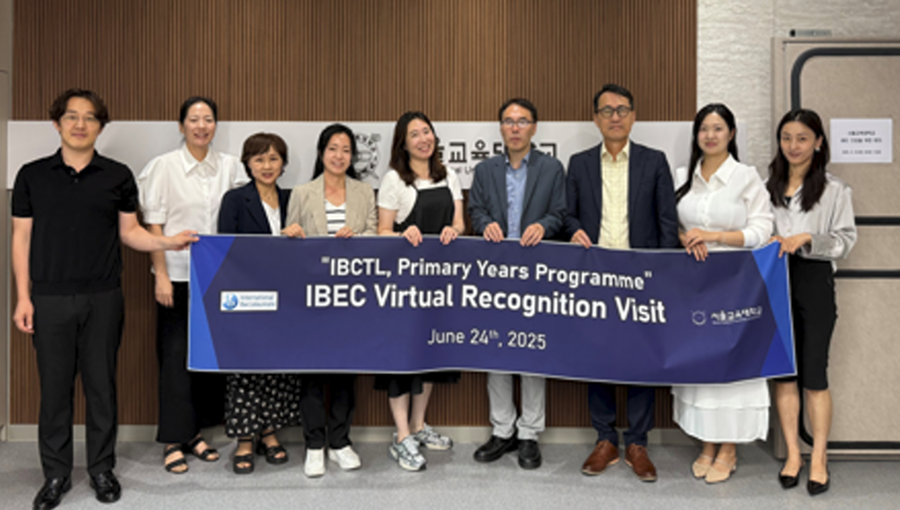
Bridging public and international schools
While public schools have embraced the IB, connecting with international IB world schools has been more difficult. That’s why the Korean Association of IB World Schools is launching a new initiative to encourage collaboration between public and international schools. This will create more opportunities for shared learning and professional development.
Changing how we teach
Korean education has traditionally focused on memorisation and standardised testing. Some schools had begun a shift towards inquiry-based learning and conceptual understanding, but the IB framework and IBEC programmes are helping speed up that shift. Educators and policymakers are supporting it. IBEC is helping us rethink what good teaching looks like.
Developing teachers and spreading learning
More than 800 teachers have completed IBEC programmes in Korea. But the real impact goes beyond the numbers. These teachers share their knowledge with their colleagues, spreading IB principles throughout their schools. The Ministry of Education has noticed and is now supporting the IB journey in public schools.
Putting student well-being first
Mental health is a serious issue in Korea, especially among teenagers. The pressure to succeed academically is intense, and the country has one of the highest youth suicide rates in the world. I speak openly about this and make sure mental health and well-being are central to IBEC training. We encourage teachers to create supportive environments where students feel safe and valued.
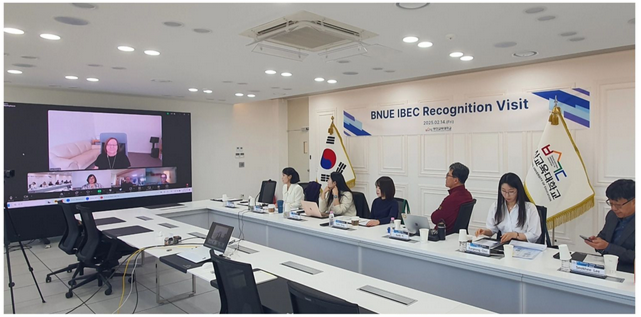
Looking ahead
Currently, 12 out of 17 education offices in Korea are involved in the IB journey, and more are expected to join. Our goal is clear: to build a healthier, more inclusive education system that puts students first. That’s the “why” behind everything I do.
Advice for other universities or nations looking to develop IBEC
Start by building strong, collaborative partnerships between universities, local education offices, and IB World Schools. This three-way synergy has been the foundation for sustainable growth in Korea. For example, when education offices cover tuition costs for teachers, it creates a reliable pipeline of qualified educators who are ready to lead IB implementation from day one. It’s also important to find champions within education ministries who can advocate for policy support and shared investment.
Bridging the gap between theory and practice is essential. Embedding hands-on practicum directly within IB World Schools gives IBEC candidates invaluable real-classroom experience and helps connect what they learn with what they do.
Above all, ground your work in your country’s unique educational context. In Korea, this has meant embracing inquiry-based, conceptual understanding, and holistic education. Student mental health and well-being are central to our IBEC training, ensuring that teachers are equipped to create supportive, inclusive environments. When your “why” resonates with local needs, it sustains the challenging work of systemic change and empowers teachers to spread IB principles throughout their schools.

Takeaways
- Korea’s IBEC journey began over six years ago and has grown rapidly.
- Over 800 teachers have completed IBEC programmes, many becoming school leaders.
- Public IB World Schools have grown from zero to over 70, with projections of as many as 200 within two years.
- Offices of Education play a key role in subsidising teacher training and building capacity.
- A new association will connect public and international IB World Schools for greater collaboration.
- IBEC programmes aim to shift Korean education from rote learning to inquiry-based pedagogy.
- Mental health and student well-being are central to the IBEC mission
