

By Angel Girano, Middle School Academic Coordinator (MYP), Santiago College, Chile.
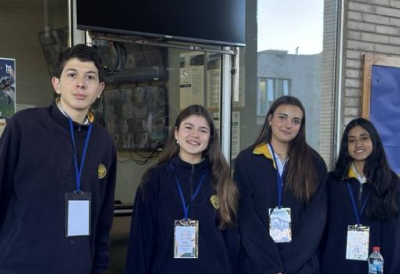
The MYP Projects EXPO Chile International is a collaborative, student-led event that began in 2023 with schools from Chile and has since grown, bringing together MYP learners from different schools and countries to showcase their Personal Projects.More than an exhibition, the EXPO creates a shared space where students exchange ideas, explain their learning, and connect their projects to real-world challenges through a global lens.
In 2025, the EXPO once again demonstrated that the MYP Personal Project is far more than a final assessment. It is a powerful learning experience that highlights curiosity, collaboration, and international mindedness, while giving students an authentic audience for their work.
Learning beyond subject boundaries
One of the most essential strengths of the MYP Personal Project is its promotion of interdisciplinary learning. In many school settings, students move between subjects such as Mathematics, English, Science, and Individuals and Societies as if each subject existed in isolation. The Personal Project challenges this structure by asking students to draw on knowledge and skills from multiple disciplines to solve a real problem.
This mirrors how learning and problem-solving occur beyond school. Real-world challenges are rarely confined to one subject area. A strong solution must work technically, make sense socially, and respond to real human needs. Through the Personal Project, students move from being recipients of information to becoming designers, thinkers, and problem-solvers who can connect ideas and create purposeful outcomes, solvers who can connect ideas and create purposeful outcomes. One project that clearly demonstrated this at the EXPO was Bridging School Data through Python AI. In this project, a student designed a chatbot using Python and generative AI to improve access to school information for students and families by drawing on official documents and website data.
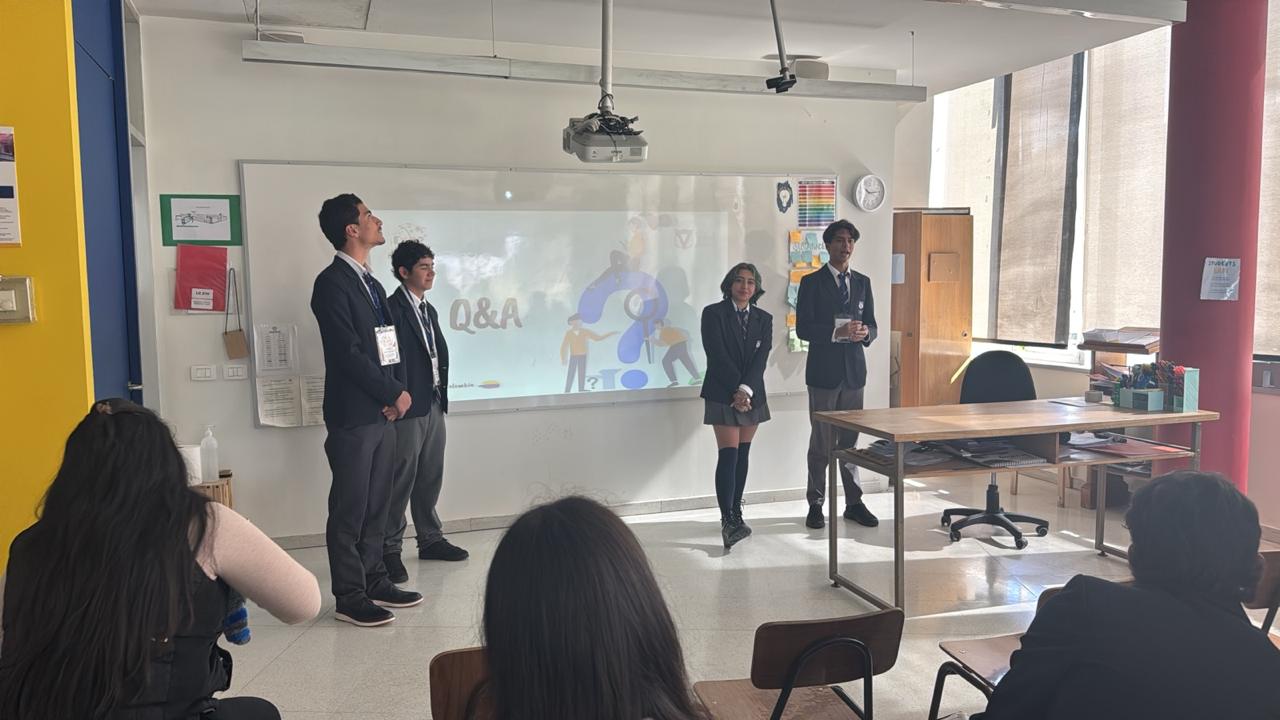
The project blended computer science with information literacy in a natural and meaningful way. Writing code was essential, but it was only part of the process. The student also had to organise large amounts of information, evaluate accuracy, and test the tool with real users. By responding to feedback and refining the chatbot, the project highlighted that understanding people’s needs is just as important as technical expertise.
Through this experience, the student developed key Approaches to Learning (ATL) skills that extend well beyond the classroom. Transfer skills, critical thinking, self-management, and resilience were all strengthened through real challenges and reflection. These are the skills students need to navigate future academic pathways and professional environments.
Through their Community Project, students from another school created an illustrated children’s book to raise awareness of wetland conservation within the Funtravidi and TVS communities. Inspired by a hands-on learning experience at the La Conejera wetland, the project engaged children in educational and artistic activities. By contributing their own illustrations, the children helped turn this project into a collective environmental tool that fosters a deep commitment to protecting nature.
Learning with the world, not just about it
The international dimension of the EXPO plays a central role in its impact. By collaborating with peers from other countries, students quickly realise that their ideas have relevance beyond their own school context. They also discover that the same issue can be approached in different ways depending on culture, experience, and local realities.
As students present their work to an international audience, they develop confidence in explaining their ideas clearly and listening actively to others. These exchanges encourage students to adapt their thinking and see their projects through a broader, global lens. Learning becomes shared rather than isolated.
Some of the most meaningful moments emerge through simple, human connections. Conversations about music, mental health, technology, and everyday experiences help students recognise shared values and concerns. The IB-inspired theme “humanity, connected” becomes real through empathy, dialogue, and mutual respect.
These experiences reflect the IB mission in action. By collaborating rather than competing, students embody open-mindedness, respect, and cooperation. They begin to see themselves as part of a global community, prepared to listen, work together, and contribute to a more peaceful and sustainable world.
As a participant student put it, "Being part of the Chile International Expo was like seeing the world through a much wider lens. I realised that even though we live in different countries, students everywhere are passionate about the same global issues, like protecting our wetlands. Sharing our book with people from different cultures taught me that an international mindset isn't just a concept in a textbook; it’s a bridge we build when we listen to each other's stories."
Another student added: "The Expo showed me that learning does not end when the project is finished. By looking at other students' inquiries, I started asking new questions about my own. This experience wasn't just about 'showing off' what we knew; it was a collaborative space where we reflected on our mistakes and celebrated our growth together. It proved to me that we are truly part of a global learning community."
From local idea to international movement
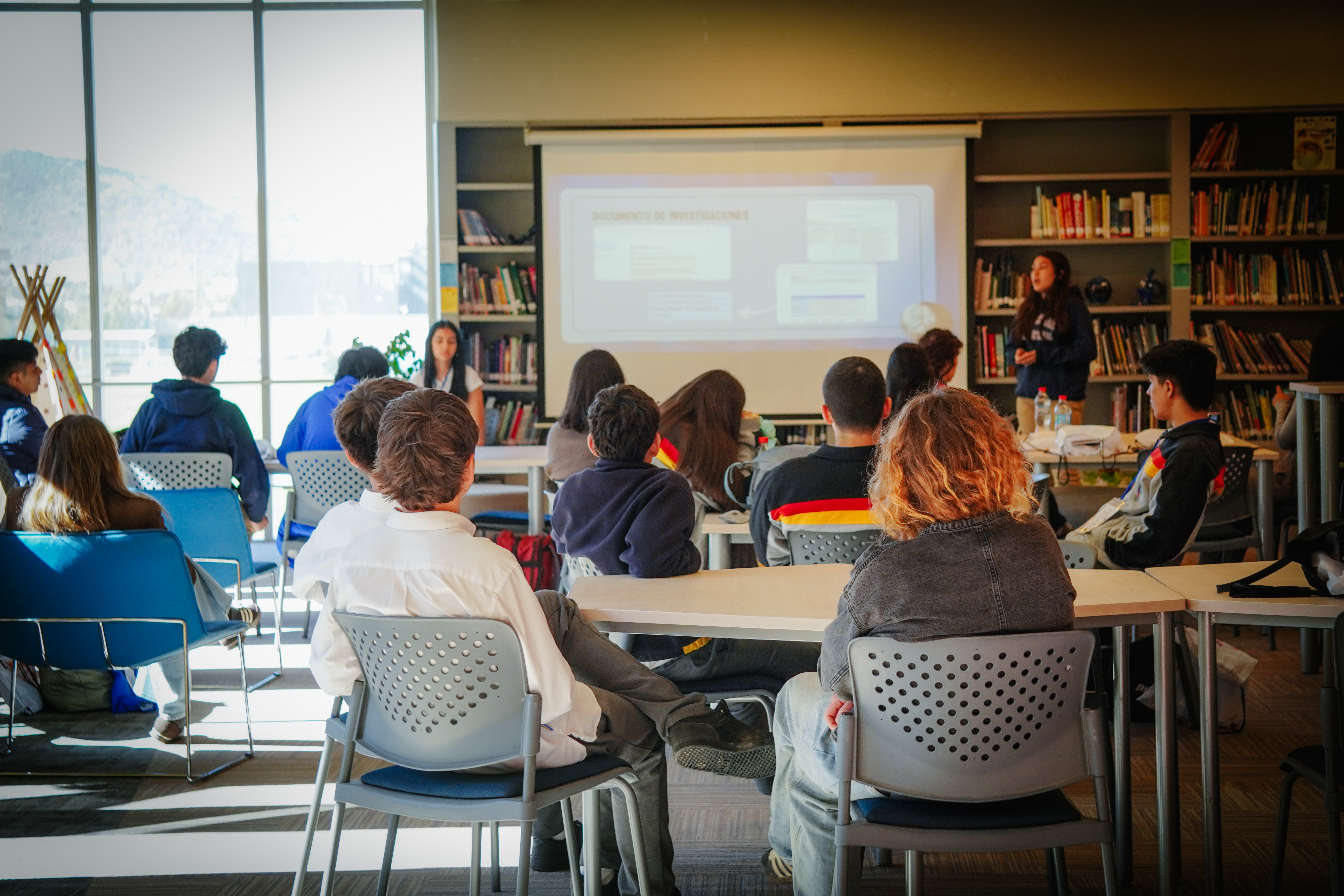
The EXPO began in 2023 as a collaboration among MYP schools in Chile, with a clear purpose: to transform the final Personal Project into something more meaningful than a traditional, graded assignment. The aim was to give students a wider audience and recognise their work as a celebration of learning rather than an endpoint.
Since then, it has grown into an international gathering. Its focus has expanded beyond simply showcasing projects to highlighting how student-led inquiry, technology, creativity, and social action can benefit communities. Despite diverse contexts and backgrounds, participating students consistently demonstrate a shared commitment to making the world more connected and more caring.
Looking ahead, it continues to grow through increased international participation and student leadership. By involving students as Global Ambassadors, the initiative is evolving into a collaborative network in which young people help shape conversations about innovation, responsibility, and change.
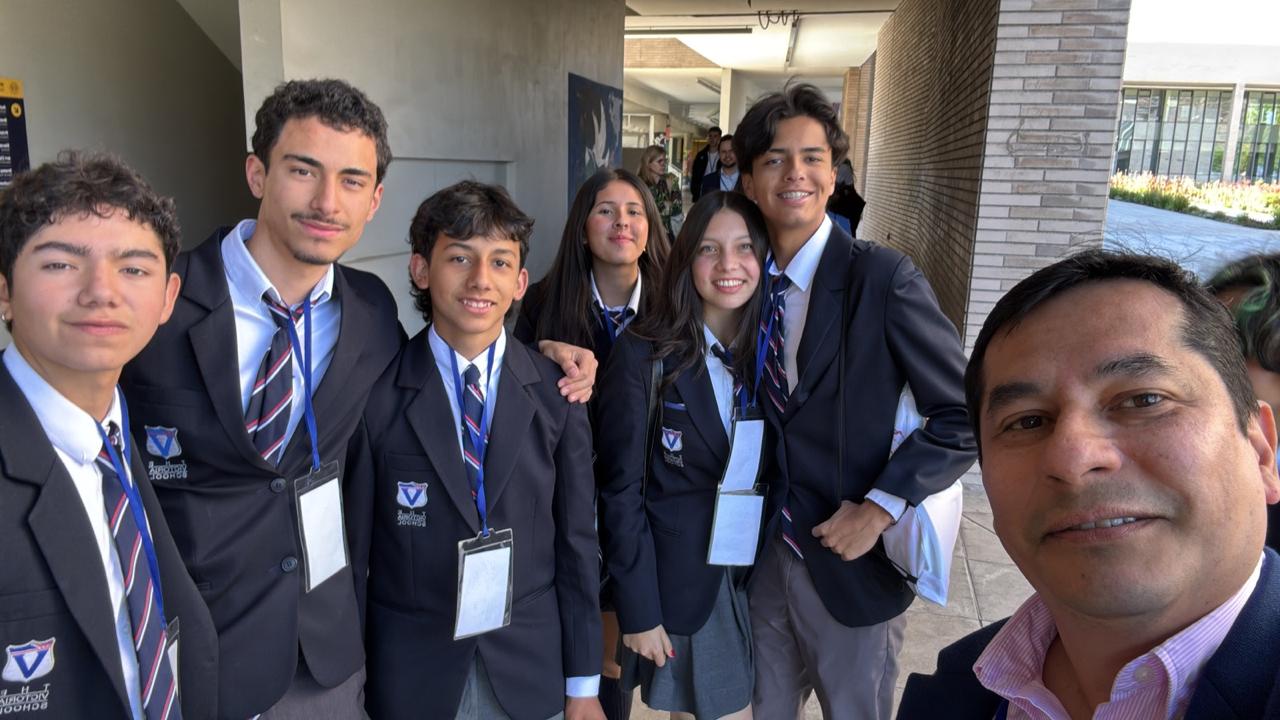
Ms Pilar Robles, Head of the Victoria School in Bogotá, Colombia, shared her experience: “My students and I believe that the EXPO PP Chile International has allowed us to become part of a global learning community. It provides a unique space to put agency, inquiry, and reflection into practice, enabling us to connect with other young people and share our projects far beyond the classroom. It is a powerful opportunity to demonstrate that international mindedness is built through lived experience.”

Impact and future direction
Feedback from students, teachers, and schools has been consistently positive. Students describe the EXPO as making their work feel authentic and purposeful. Teachers observe higher levels of ownership, reflection, and engagement. Schools value the opportunity to connect across cultures and share approaches to learning and teaching.
The EXPO also contributes to a broader shift in how MYP education is experienced. It reinforces the idea that learning is not only about achievement, but about action, collaboration, and responsibility. When students combine research, independence, teamwork, and creativity, they begin to see themselves as capable of addressing challenges. That confidence and sense of purpose often lasts far beyond the project itself.
Takeaways
- Interdisciplinary learning makes learning meaningful
The Personal Project shows that real-world problems cannot be solved through a single subject. Connecting disciplines helps students think deeply and apply knowledge with purpose. - The MYP framework empowers student leadership through project-based learning
By embedding project-based learning into the MYP, students are encouraged to take the lead, make decisions, and manage long-term inquiry independently. - Student voice and ownership lead to deeper engagement
When students drive their own projects, learning moves beyond grades. Purposeful inquiry increases motivation, creativity, and confidence. - Global collaboration builds empathy and international‑mindedness
Working with peers from different countries strengthens communication skills and helps students appreciate diverse perspectives and shared human experiences. - ATL skills prepare students for life beyond school
Through reflection, feedback, and challenge, students develop resilience, critical thinking, self-management, and transfer skills essential for future learning and work. - Education can be a force for positive global change
The EXPO reflects the IB mission by showing how student collaboration across cultures can contribute to a more peaceful, connected, and sustainable world.
, Santiago College, Chile.)