

A senior International Baccalaureate (IB) delegation has completed a visit to Australia, centred on the theme of evidence-based education and the IB's commitment to broadening access and opportunity for learners across the country. The visiting delegation, led by Board Chair Helen Drennen and IB Director General Olli-Pekka Heinonen, visited Melbourne from 6–10 May 2026, where the 160th meeting of the IB Board of Governors took place.
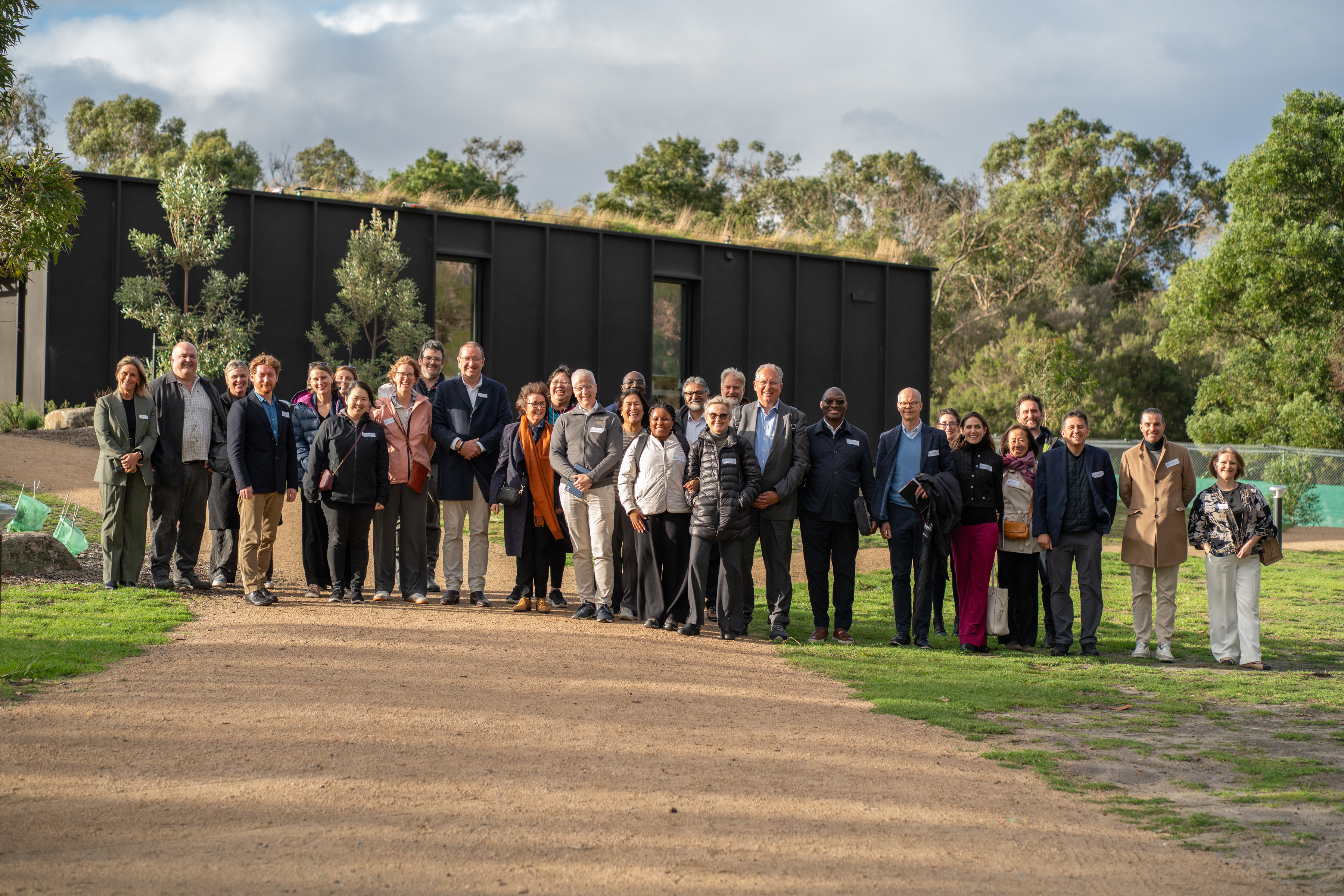
The programme included school visits and classroom observations to observe how competencies are being evidenced in practice, part of the IB's ongoing strategic collaboration with Melbourne Metrics at the University of Melbourne. Together, the two organisations are exploring competency-based assessment as a key lever for transforming teaching and learning, working in tandem with traditional knowledge-based models to better capture the holistic development of students.
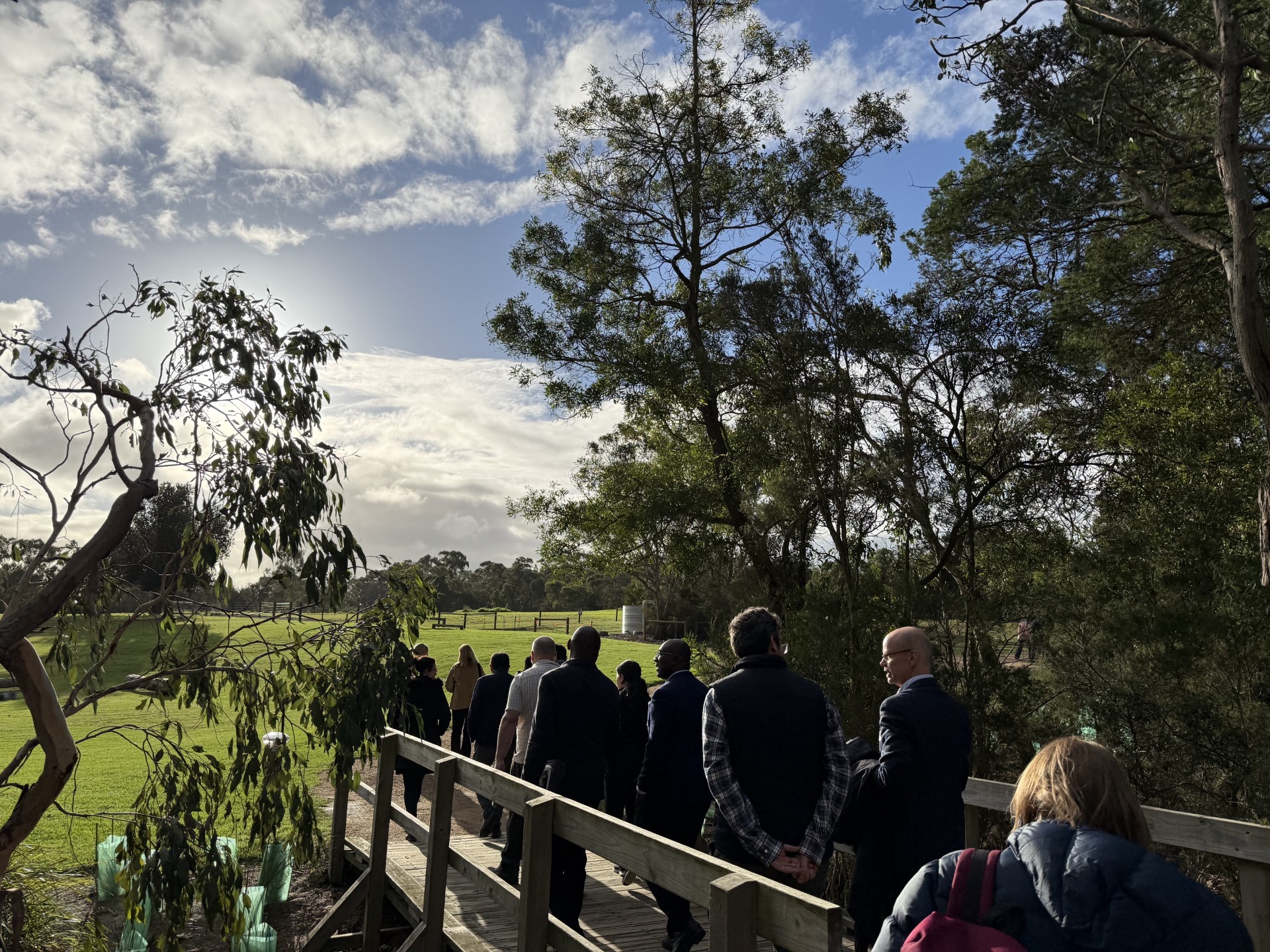
The IB delegation engaged with Professor Sandra Milligan, Executive Director of Melbourne Metrics, while a group representing Carey Baptist Grammar School also presented to the board. The delegation also visited Wesley College and Woodleigh School, where students and educators demonstrated how their schools are bringing the IB framework – and its vision of education for flourishing – to life through their day-to-day work.
Recent ACER research underscores the strength of IB outcomes. Australian Diploma Programme (DP) students consistently outperform non-DP peers in university admission rates, persistence to second year, and completion, with students from lower socio-economic backgrounds showing comparable success to their peers of higher socio-economic status.
Olli-Pekka Heinonen, IB Director General, said: “If we want education to prepare young people for an increasingly complex world, we must be willing to ask whether our assessment systems recognise the full range of what matters. Our collaboration with Melbourne Metrics and schools in Australia is helping us explore future models of assessment that are rigorous, evidence-based and aligned with a broader vision of human flourishing.”
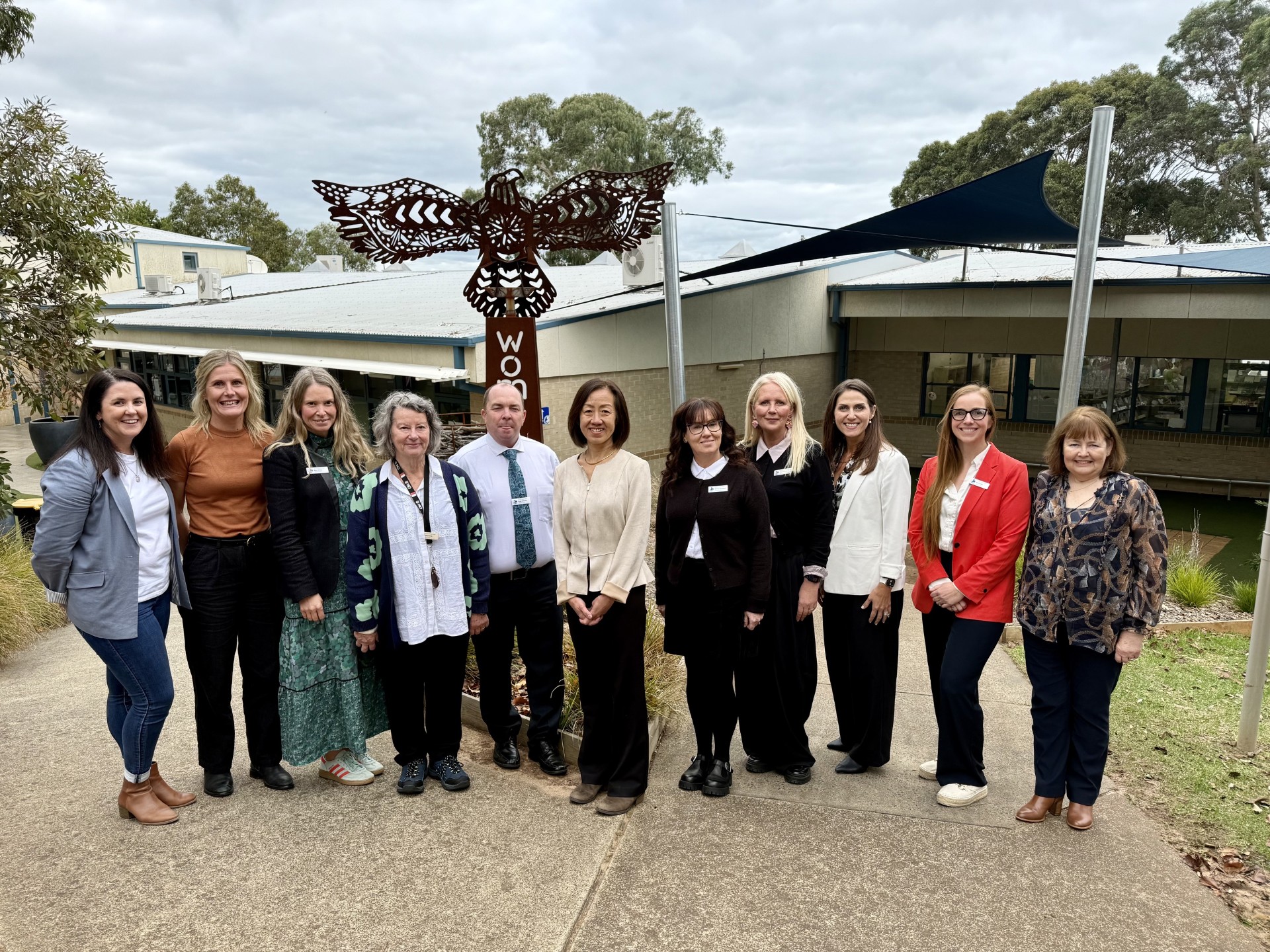
IB Chief Community Partnerships & Development Officer Nicole Bien visited Kunyung Primary School in Mt Eliza, Victoria. Kunyung, a government school managed by the Department of Education in Victoria, has offered the Primary Years Programme (PYP) since 2011. The school exemplifies how inquiry-based learning can be successfully delivered within a public school, meeting state curriculum mandates while supporting the foundational literacy and numeracy skills that are a national priority in Australia.
A separate ACER study found that Primary Years and Middle Years Programme (MYP) students in Australia outperform peers on global benchmarks, with no instances of non-IB students significantly outperforming IB students in any grade or subject area across 71,267 students analysed.
Bien said: “Remarkable schools like Kunyung are showing how the PYP can strengthen students’ literacy and foundational skills while also supporting their wellbeing and social-emotional development. By emphasising learner agency, creativity, differentiation, and personalised learning, Kunyung embodies the IB’s inquiry-based approach while meeting the most pressing needs of the community it serves.”
The IB has been active in Australia since 1978 and currently offers programmes in 196 schools from Perth to Tasmania. As Australia works to build a highly skilled, future-ready workforce, the IB offers an education model aligned with the goals of the Australian Universities Accord, nurturing creative thinking and resilience to prepare students for the challenges of tomorrow.
 delegation has completed a visit to Australia, centred on the theme of evidence-based education and the IB's commitment to broadening access and opportunity for learners across the country. The visiting delegation, led by Board Chair Helen Drennen and IB Director General Olli-Pekka Heinonen, visited Melbourne from 6–10 May 2026, where the 160th meeting of the IB Board of Governors took place.)