

By Rodree Carlile, M.Ed., Head of School, Highlands Middle School, a candidate Porter, Texas, US.
When I first encountered the IB, what stood out to me wasn’t just a programme; it was a way of thinking about learning that finally gave structure to beliefs I had held for a long time.
I had always believed that learning should be meaningful, connected and purposeful. But in many traditional systems, it can be difficult to consistently turn that belief into practice. IB is giving me a shared language and a clear framework to do exactly that. It values curiosity, depth and purpose, and it focuses not just on what students produce, but how they think.
That shift is changing how I approach my work as a teacher and as a leader.
Moving from teaching lessons to designing learning
Before we became a candidate school for the MYP and PYP, much of my planning was shaped by pacing guides and assessment schedules. The focus was often on covering content and preparing students for tests. While well-intentioned, it didn’t always lead to deep or lasting learning.
IB and the candidacy journey is helping me rethink
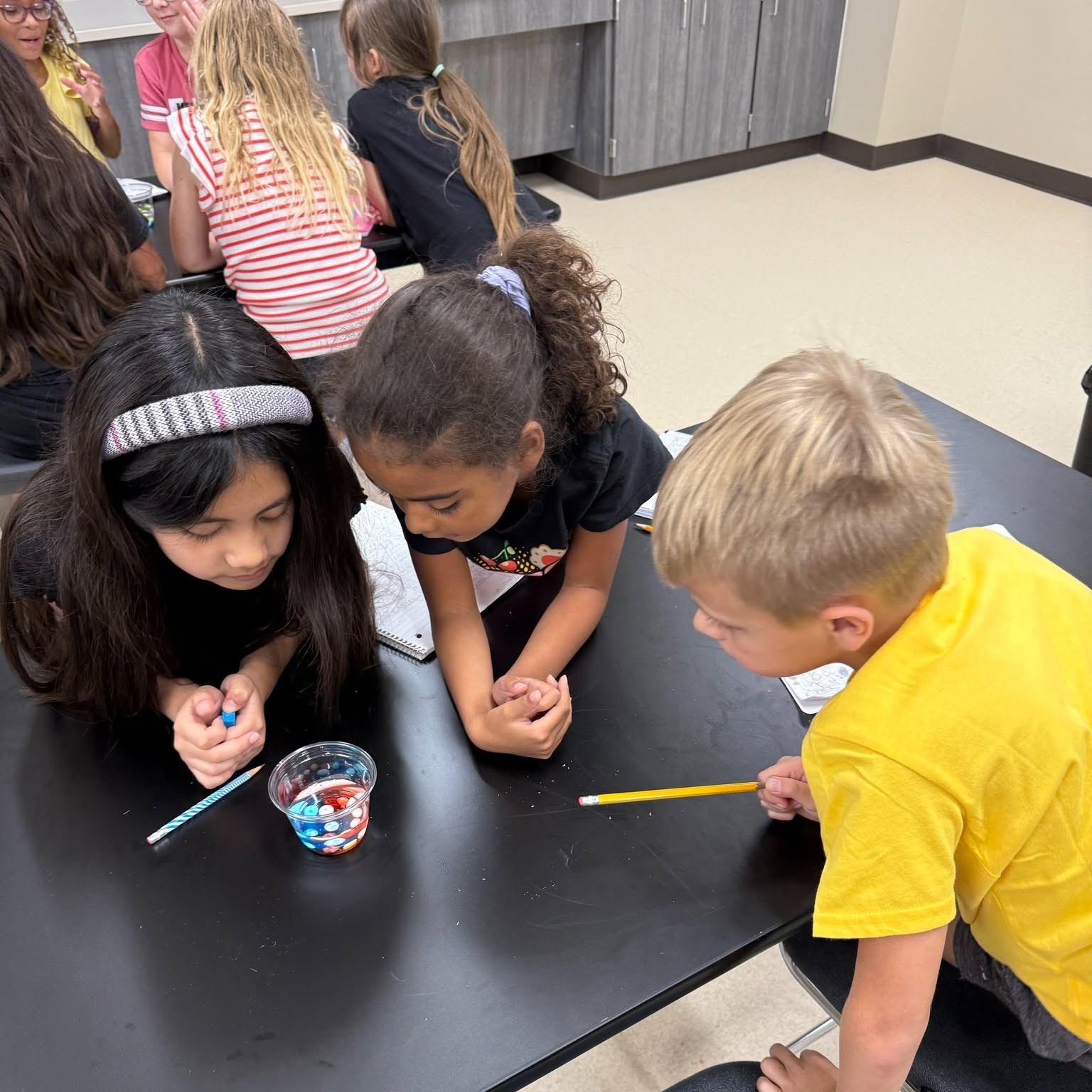
Now, I focus much more on learning design. I think carefully about why learning matters, how ideas connect across subjects and how students build understanding over time. School becomes less about completing tasks and more about creating a coherent learning experience, one rooted in purpose, reflection, and real-world application.
A shift in what we value
One of the biggest differences I’ve seen with IB is its intentionality.
It doesn’t prioritise coverage or compliance. Instead, it challenges both students and educators to go deeper. Students are expected to question, explain and apply their understanding, not just recall information. And as educators, we are expected to be equally thoughtful about how and why we teach.
For me, one of the most important moments came during my IB Head of School training. I realised how closely leadership, instruction and school culture must align for meaningful learning to happen. Inquiry, conceptual understanding and student ownership aren’t optional extras—they are essential.
Creating space for curiosity
Across all age groups, I’ve seen how curiosity can decline over time in traditional systems, often due to pressure and structure that prioritise completion over exploration.
IB helps interrupt that pattern.
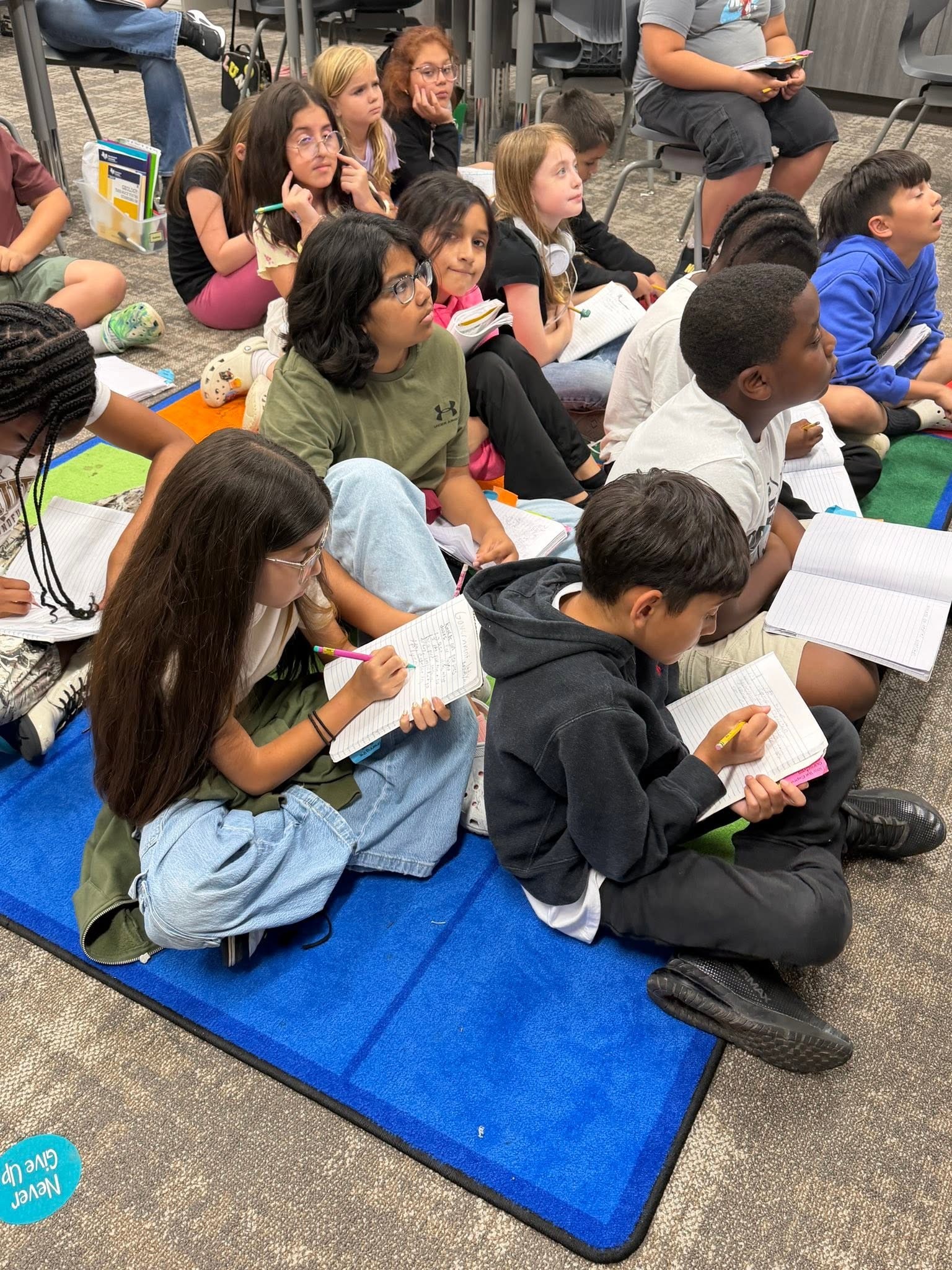
At our school, we’ve created structures like “Wonder Walls”, where students can capture questions, ideas and unfinished thinking. These aren’t just displays; they are a signal that curiosity matters and that learning doesn’t stop when a task is finished.
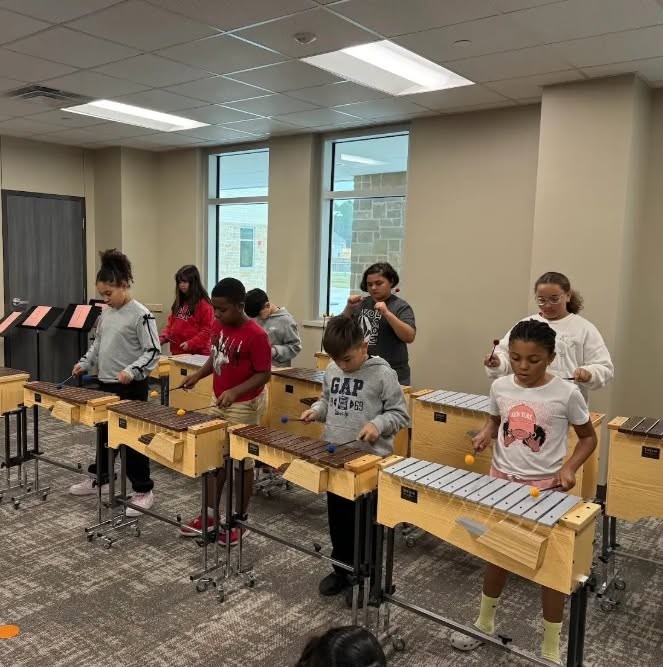
The result is that students stay engaged for longer. They ask better questions. And they begin to see themselves as active participants in their own learning.
Supporting meaningful change in teaching
IB has also changed how I support educators.
In the past, I might have thought about accountability in terms of pace or performance. Now, I see it differently. Real accountability is built through coaching, feedback, trust and psychological safety.
Change takes time. It requires reflection and collaboration. As leaders, we need to meet teachers where they are and build shared understanding step by step.
This has been one of the most rewarding parts of the journey, growing alongside my colleagues and learning to lead with more openness and humility.
Seeing what students are capable of
Perhaps the most powerful outcome has been seeing students flourish.
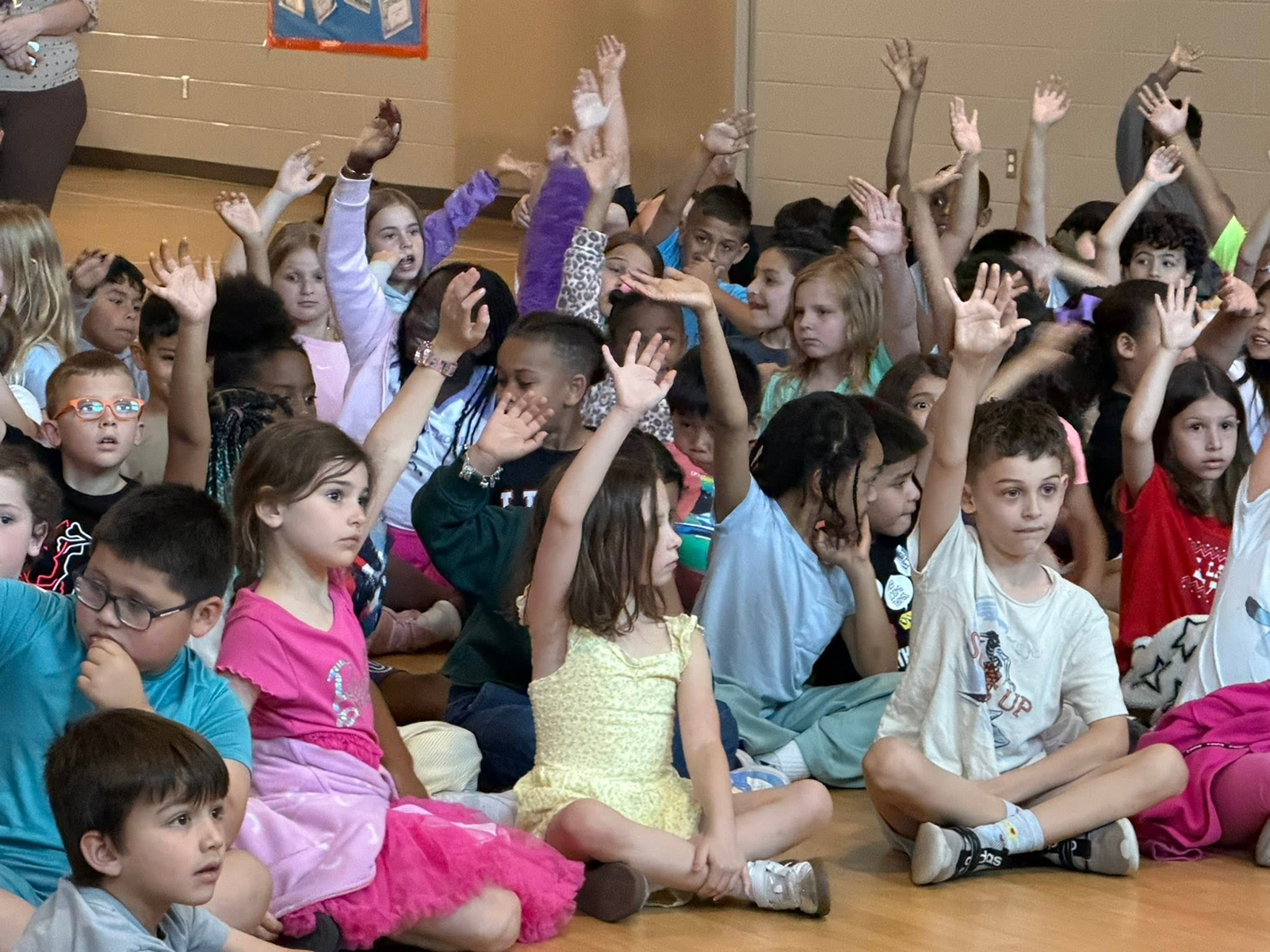
I’ve seen young children engage meaningfully with their communities, and older students take on real-world challenges with confidence and purpose. Families often tell us that their children can clearly explain what they are learning and why it matters, which strengthens the connection between school and home.
That clarity matters. It shows that learning is not just happening; it is being understood.
Why this work is personal
This work is deeply personal to me. I grew up in this community. I chose to return and serve here. My own children go to school here. I care about what education makes possible for every student and every family.
Too often, systems confuse what is allowed with what is effective. We settle for practices because they meet requirements, not because they deliver impact.
IB challenges that mindset. It asks us to be intentional. It asks us to truly understand our students, our goals and our responsibility as educators. And it pushes us to raise expectations, not just for outcomes, but for the quality of learning itself.
As I look ahead, my goal is simple: to continue building a system where all students experience learning that is meaningful, challenging and connected to their future.
Takeaways from our ongoing candidacy journey
- Learning should be meaningful and connected
IB helps move beyond isolated lessons to a more purposeful, joined-up learning experience. - Depth matters more than coverage
It’s not about how much content we get through; it’s about how well students understand and apply it. - Curiosity needs to be protected
Structures like open questioning and reflection help keep curiosity alive at every age. - Real change starts with educators
Supporting teachers through coaching, trust and reflection is essential for lasting improvement. - High expectations can change outcomes
When we focus on intentional, high-quality learning, students consistently exceed what we thought was possible.
