

By Karen Correia, Greenleaves Montessori International School, Madrid, Spain
Why combine two approaches?
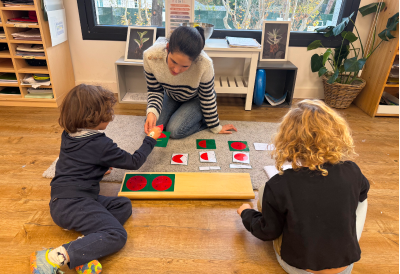
I’ve spent years working within the Primary Years Programme (PYP) and love how it nurtures inquiry, critical thinking, and purposeful action. But in multilingual, mixed-entry classrooms, I noticed a gap. Some learners need a little more support, without being pulled out or placed on separate tracks.
Montessori offered that bridge. Its carefully sequenced, hands-on materials and mixed-age mentoring help children move step by step from concrete to abstract. At the same time, I didn’t want to lose what the PYP does best: helping children see themselves as global citizens who can act now, not someday. The hybrid became a both/and: Montessori’s sensorial pathways combined with the PYP’s conceptual spine and reflective practices.
When the hybrid made a difference
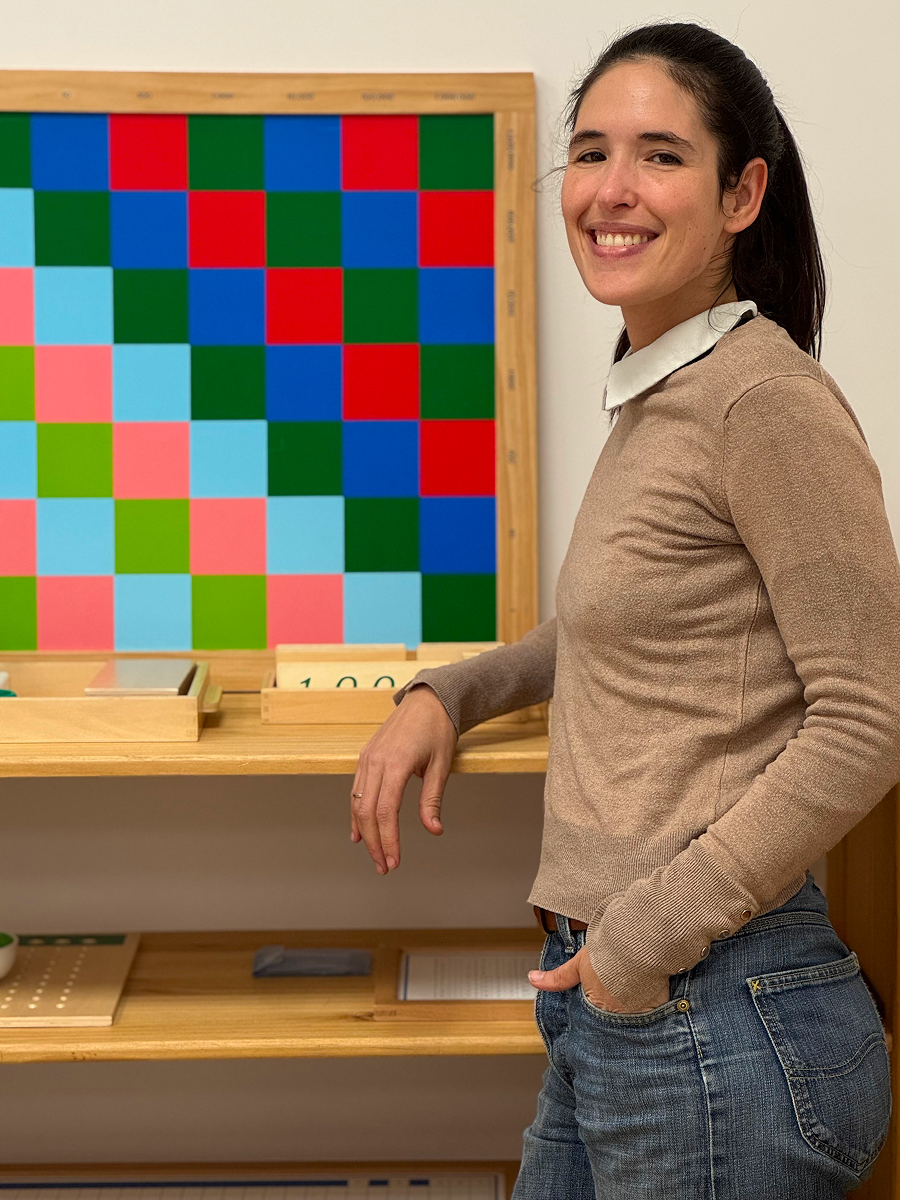
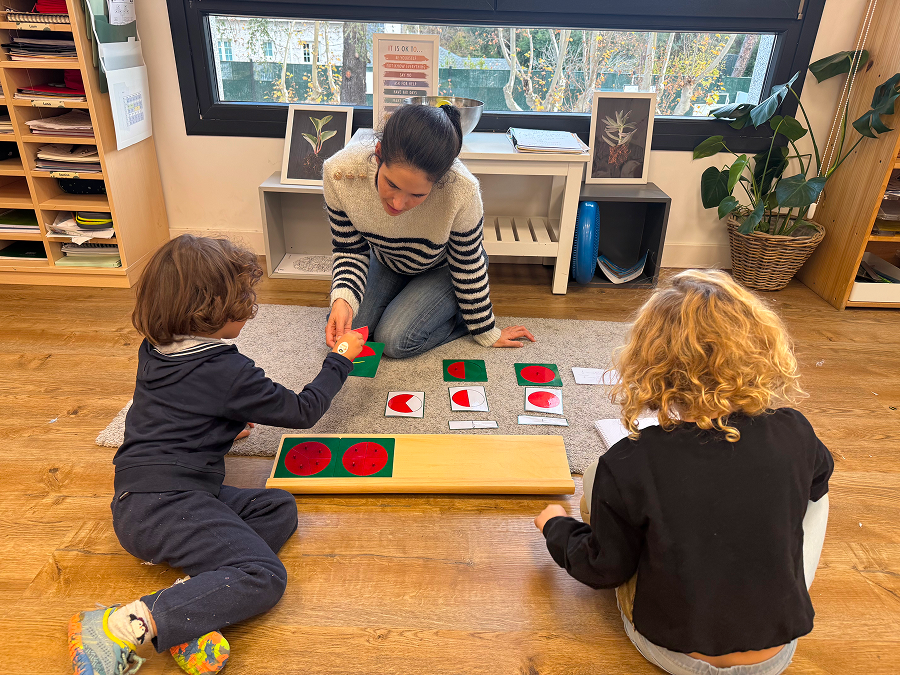
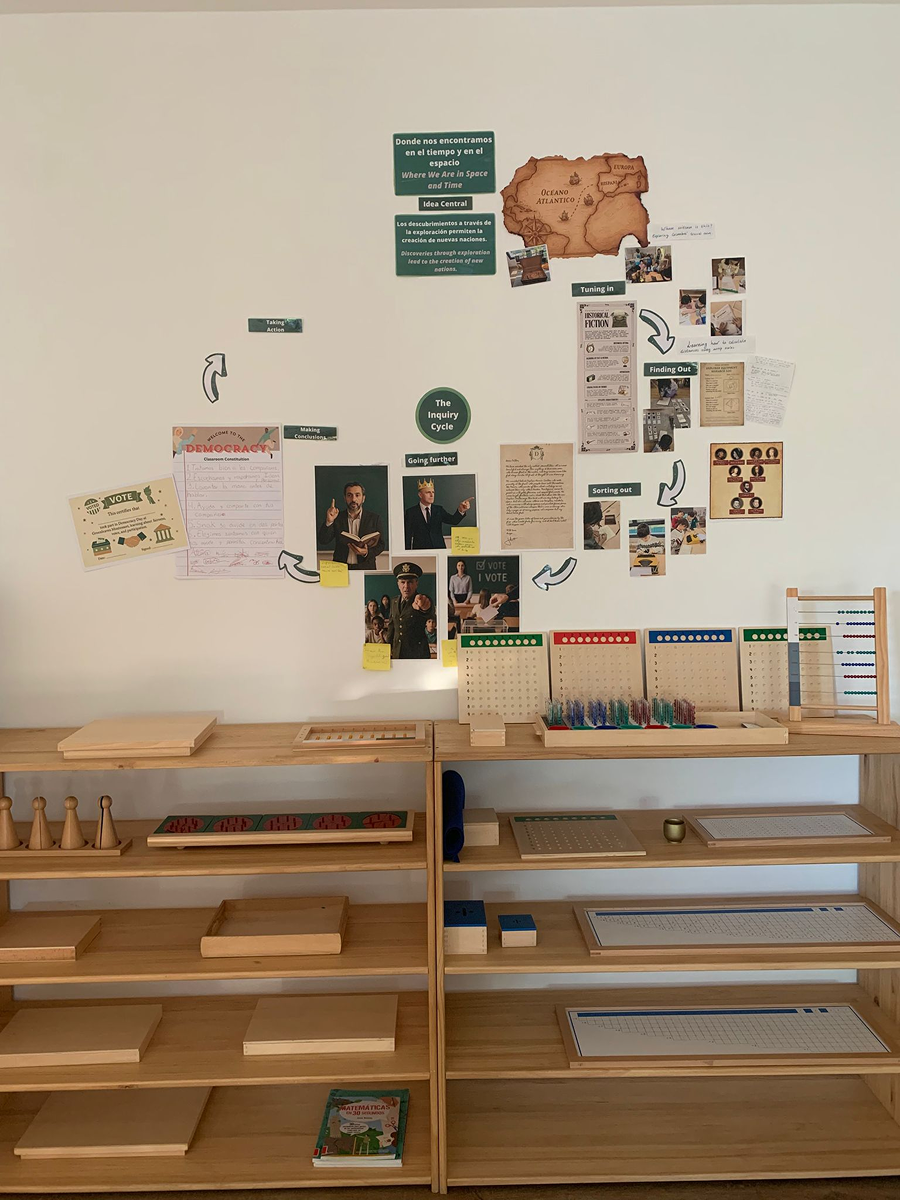
In a Year 3–4 (ages 8-10) unit on the Age of Exploration, maths connected to history: How can we show an explorer’s voyage in equal parts? We introduced fractions using Montessori materials and then applied them to real-life voyages. During the uninterrupted work cycle, students chose their route—sensorial, pictorial, or symbolic—but worked towards the same goal. No one was pulled out; the tools differentiated the path, not the expectation. That’s equity in action.
Shared values, different strengths
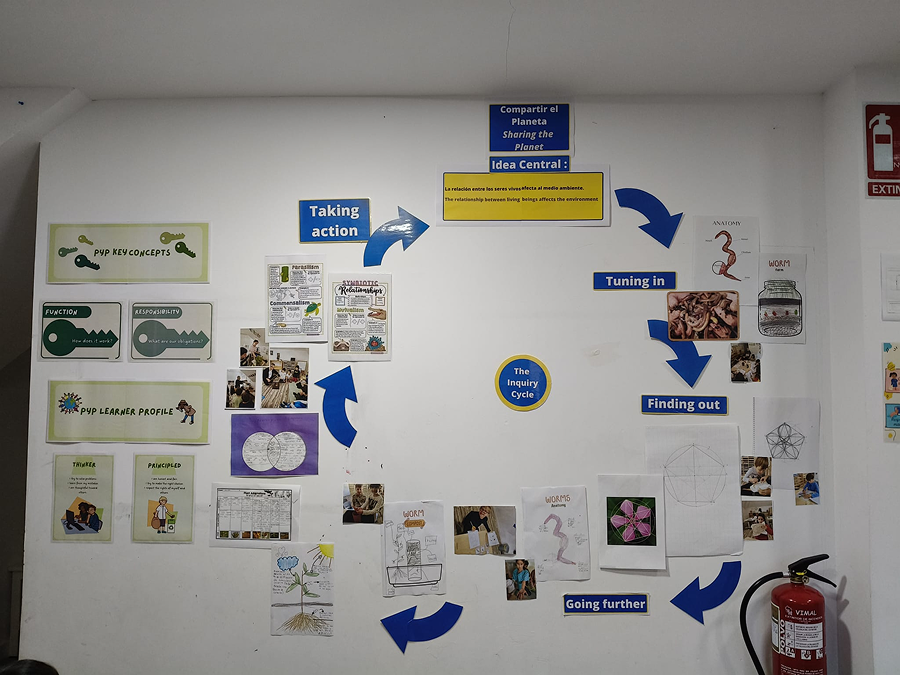
Both PYP and Montessori are student-centred and value reflection, action, and intrinsic motivation. Where they differ is in how those values are lived out day to day. The PYP offers flexibility and a common language, central ideas, lines of inquiry, and success criteria, while Montessori relies on an intentional environment and routines that drive learning forward. The classroom environment is the foundation for learning and grows with each unit. In Montessori, this includes shelves with materials for the unit and an enquiry area with resources to support exploration. Materials and resources are added as students’ needs and interests emerge, with input from teachers, students, and families, and success criteria. The enquiry cycle is displayed and updated with evidence of learning. Montessori provides the “hardware”, and the PYP adds the “software,” working together to support holistic growth. and success criteria- they create a classroom that strikes a balance between structure and freedom.
Agency you can see and feel
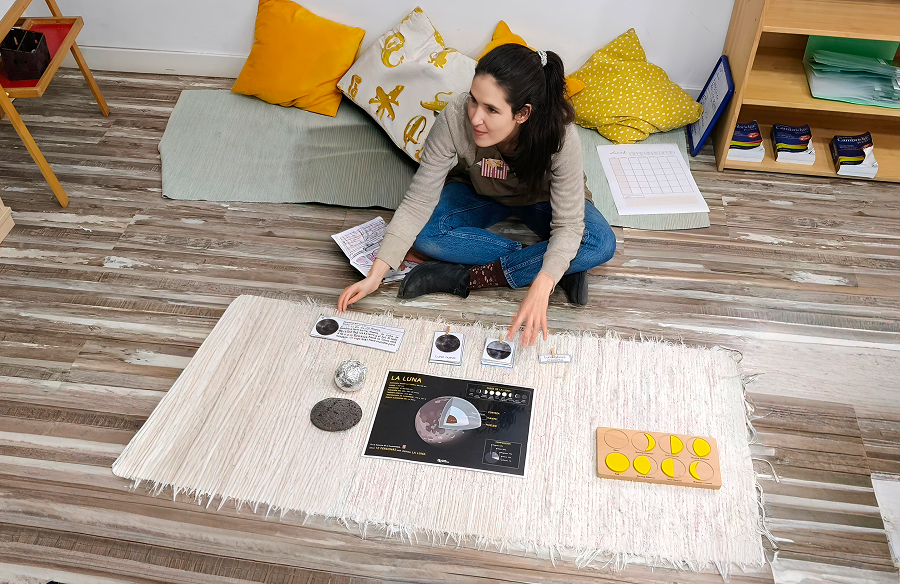
In Montessori, agency is experienced through choice, pacing, and independence in a long work cycle. In the PYP, agency is shared through co-constructed goals and authentic action. In the hybrid model, students set weekly goals and pursue them through various pathways. Agency becomes something they feel, see, and use.
Overcoming the challenges
Blending two frameworks takes planning and partnership. Staffing is key: pair a Montessori guide with a PYP specialist and make collaboration a non-negotiable priority. Planning begins with a simple year map that links Montessori presentations to PYP units, then zooms in to a weekly view. Assessment blends both systems, PYP learning outcomes for clarity and Montessori checklists to track the progression from concrete to abstract concepts. Most evidence is gathered during the work cycle, making learning visible without interrupting it.
A day in a hybrid classroom
The day begins with a short assembly for community updates and weekly goals, followed by a long work cycle where students choose their route: independent, peer-supported, or guided by a teacher. Snack doubles as a quick check-in, then outdoor play and specialist lessons. Afternoons often host arts or deeper projects. Two anchor meetings—morning and mid-day—keep everything coherent.
What changes for students?
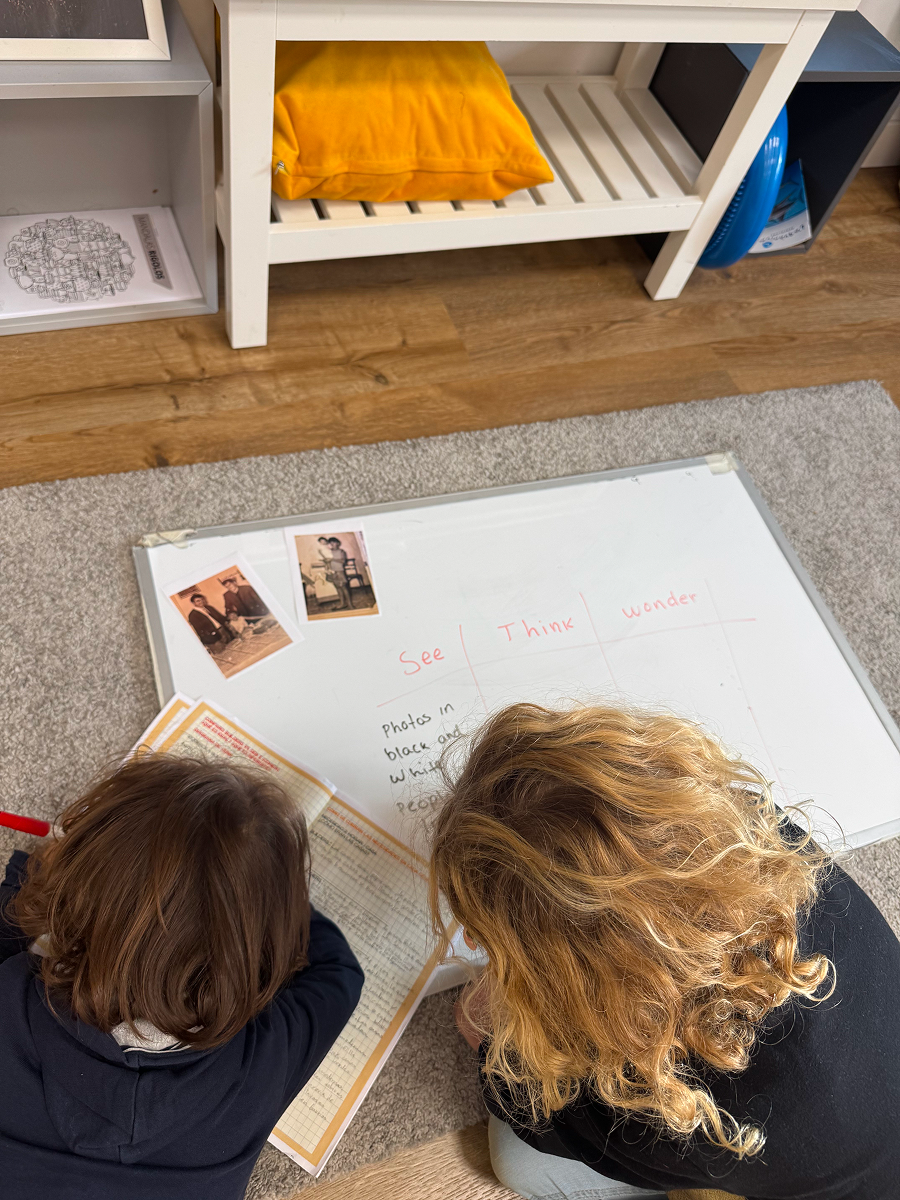
Independence grows fastest. Children experience agency daily because the environment is designed for them. Conceptual depth improves too: starting with concrete, then moving to pictorial and symbolic, strengthens understanding and accelerates extension. Multilingual learners engage earlier because they can demonstrate thinking before their language skills catch up. Fewer pull-outs, cleaner evidence, and a stronger sense of belonging follow.
Thinking of blending Montessori with the PYP? Start here…..
Begin with time and space: protect a daily work cycle and design shelves around unit concepts. Staff for partnership, co-tutoring and protected planning time are essential. Map the year, then refine weekly. Blend assessment from day one, using observations and clear criteria. And invest in families: share goals, invite visits, and offer parent education. Do these basics well and you’ll get the best of both, rigour with humanity.
Takeaways
- Equity without pull-outs: Same expectations, multiple pathways.
- Agency that’s felt and seen: Independence plus shared goals and criteria.
- Plan the braid, protect the cycle: Year map, weekly tasks, daily anchors.
- Co-teach, co-assess: Pair expertise and align routines.
- Concrete → pictorial → symbolic: Clear decision rules; shelves labelled by concept.
