

By Yoshihisa Soeya, Head of School, and Dr. Yohei Fukata, CP Coordinator, Nagano Nihon University Schools, Japan.
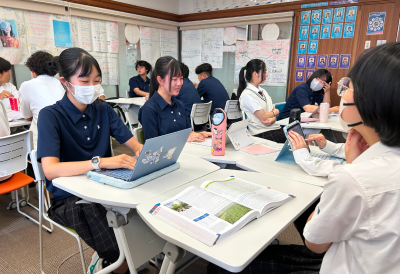
Nagano Nihon University Schools has made history as the first school in Japan to offer the International Baccalaureate Career-related Programme (CP). The school has embraced a bold vision: to empower students with the skills and mindset needed to thrive in a globalised, rapidly evolving world.
A new educational vision for Japan
The introduction of the CP at Nagano Nihon University Schools was driven by a desire to modernise and internationalise the student experience. The school recognised that the conventional model, which focused heavily on university entrance exams, could not equip students for modern life and work complexities.
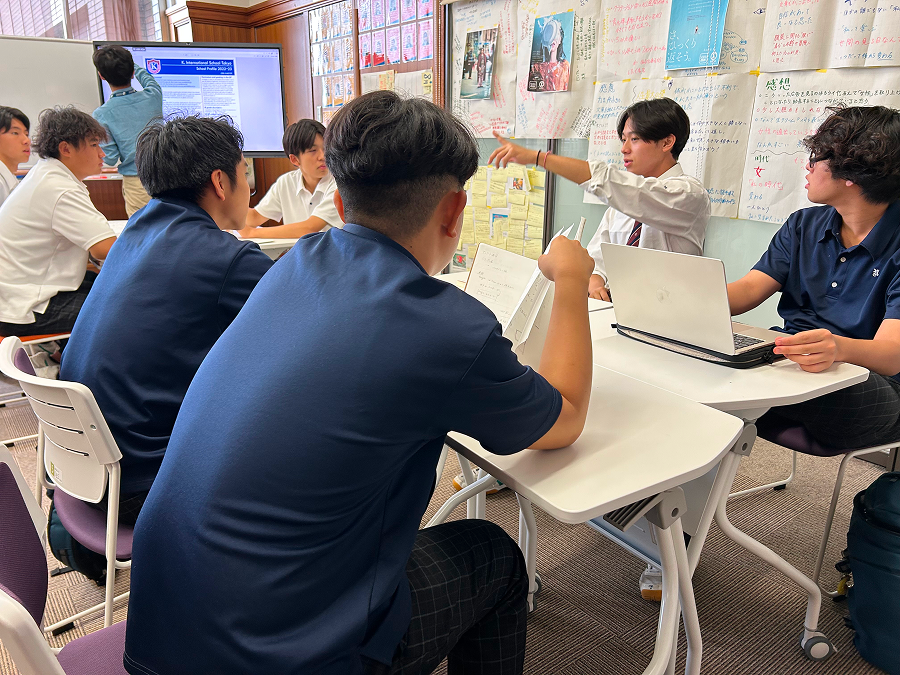
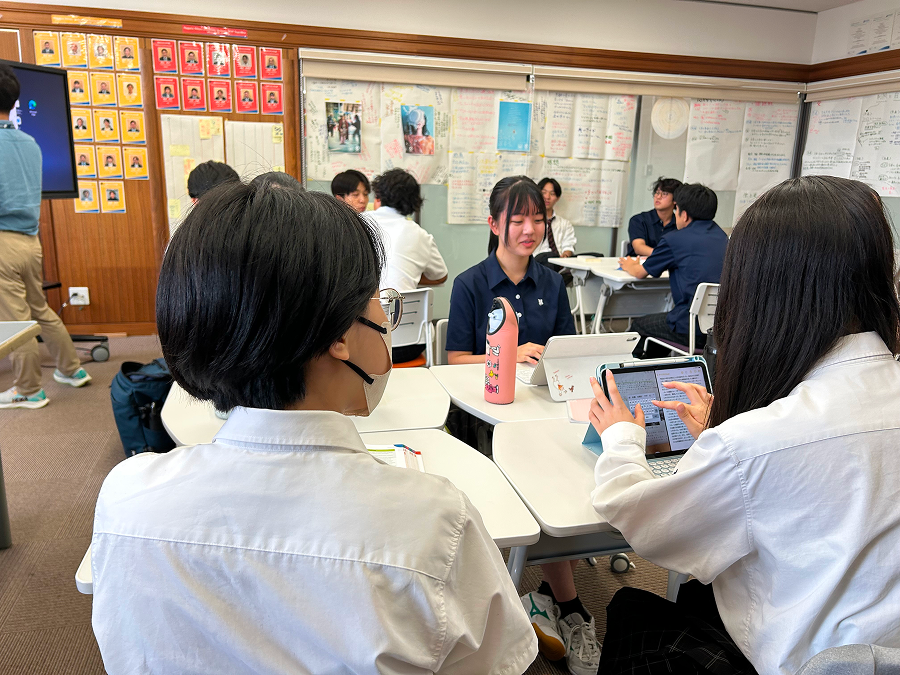
By adopting the CP, the school has positioned itself as a leader in educational innovation. Students now have access to a curriculum that blends rigorous academic study with career-focused learning, allowing them to explore practical applications of their knowledge while still in high school.
This approach reflects a broader educational philosophy: one that values not just academic achievement, but the development of critical thinking, communication, and ethical reasoning. The CP encourages students to actively participate in their learning journeys, preparing them to navigate diverse career paths and global challenges.
What makes the CP unique
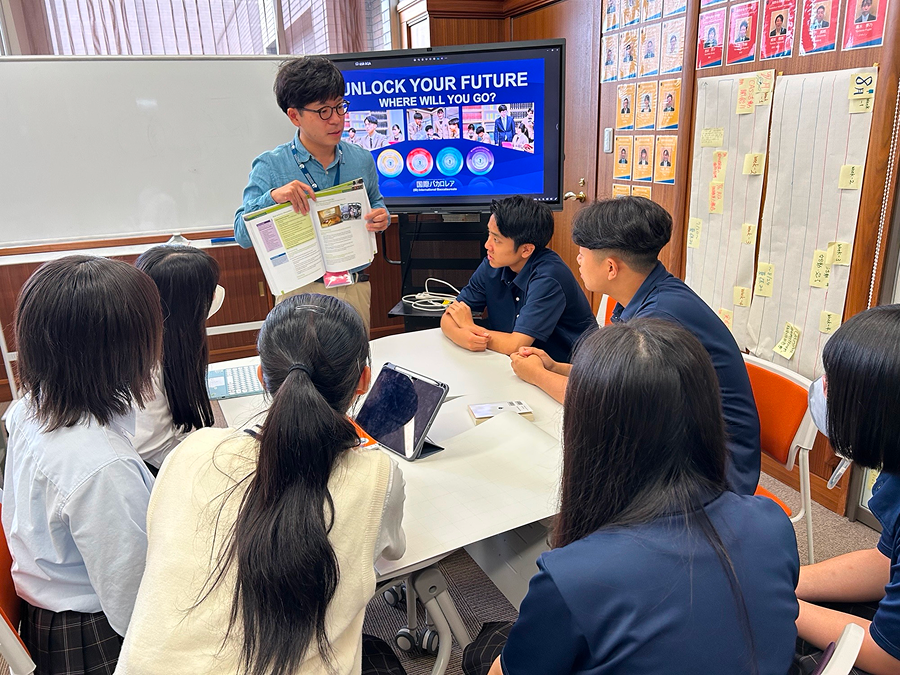
The CP is structured around three key components:
- Diploma Programme (DP) subjects: Students choose at least two DP subjects, which provide a strong academic foundation in science, humanities, or languages.
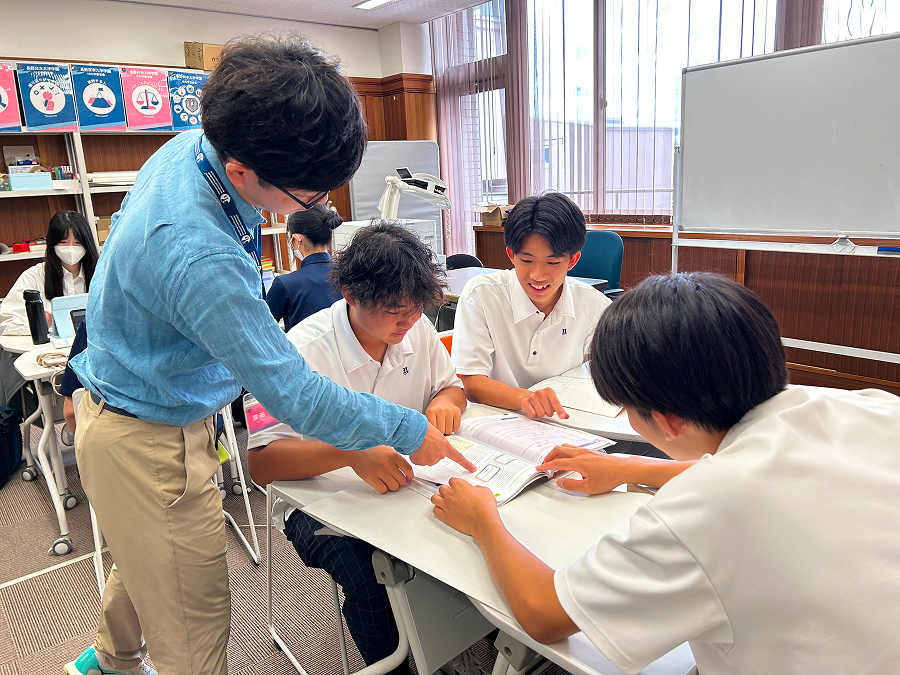
- Career-related studies (CRS): These are tailored to students’ career interests and delivered in partnership with Nihon University’s extensive network of faculties and departments. CRS offers early exposure to specialised fields, helping students clarify their career goals and gain practical experience.
- CP core: This includes personal and professional skills, community engagement and language and cultural studies, and the reflective project. These elements foster leadership, collaboration, ethical awareness, and intercultural competence.
The integration of these components ensures that students are not only academically prepared but also equipped with the skills and mindset needed to succeed in various professional and personal contexts.
Responding to the needs of today’s learners
Today’s students face a landscape shaped by artificial intelligence, digital transformation, and shifting economic models. The CP responds to these realities by offering a forward-looking curriculum grounded in practical relevance.
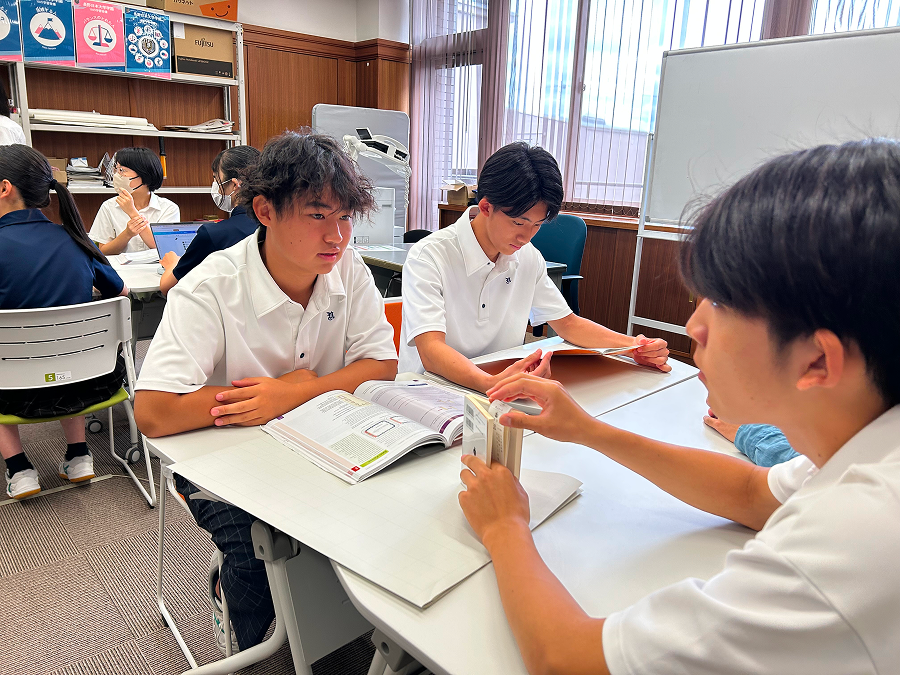
DP subjects help students develop analytical and research skills, while CRS allows them to explore fields such as engineering, business, healthcare, and more. This dual focus will enable students to connect classroom learning with contextual applications, making education more meaningful and impactful.
The CP also supports a wide range of post-secondary options. Whether students pursue university studies, enter the workforce, or explore vocational training, the programme provides a flexible foundation that adapts to individual aspirations and strengths.
A departure from traditional high school education
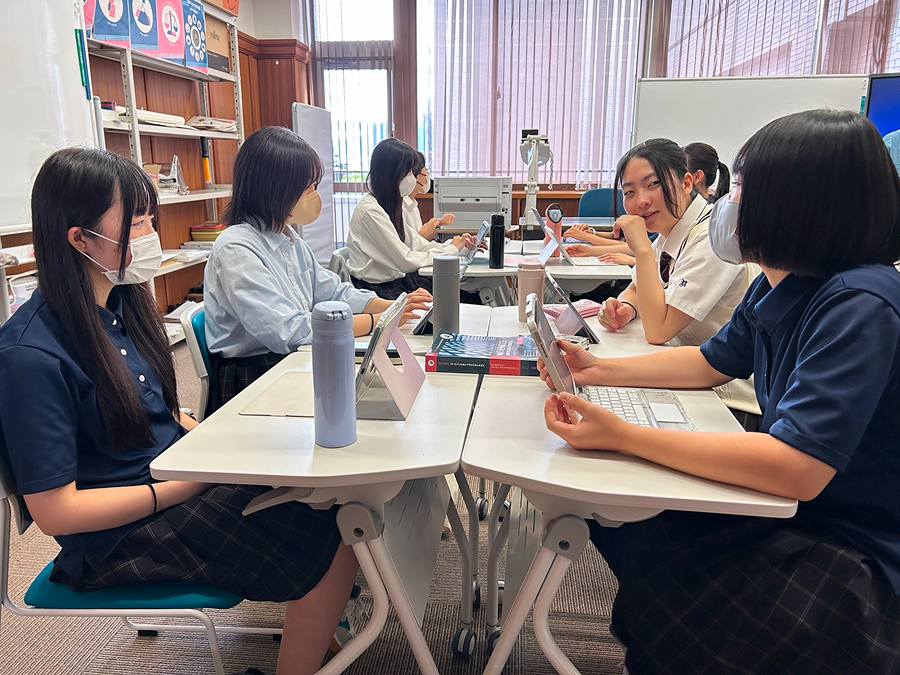
In Japan, high school education has traditionally centred on preparing students for university entrance exams. This often involves a broad curriculum with limited depth, and assessment methods that prioritise memorisation over critical thinking.
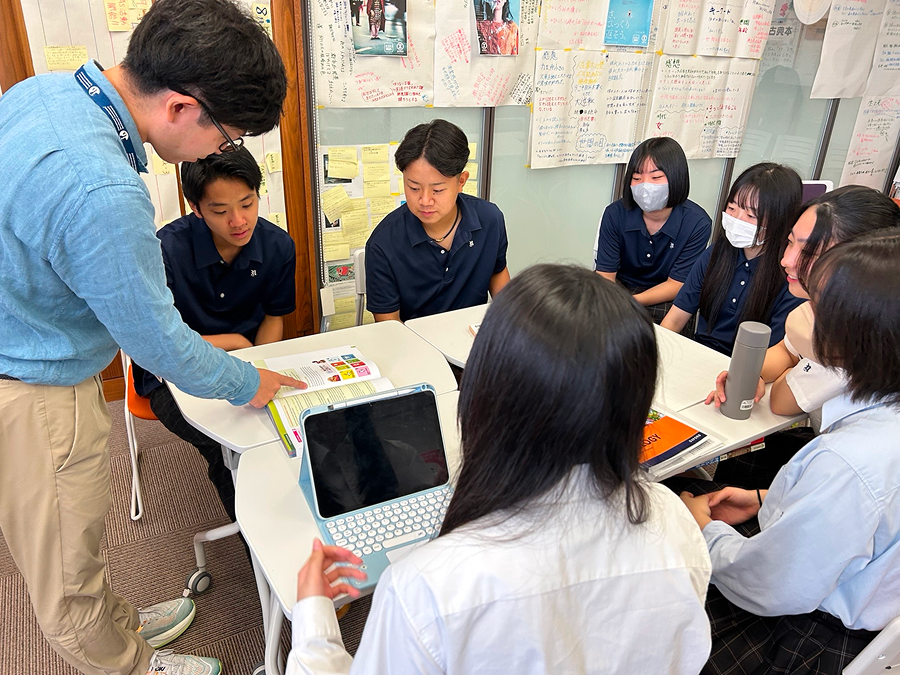
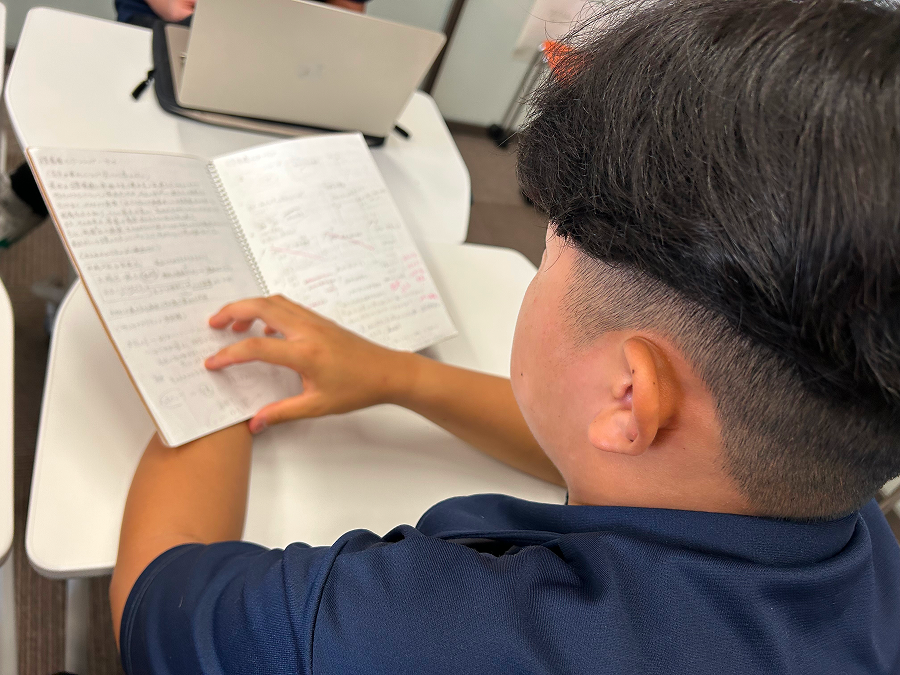
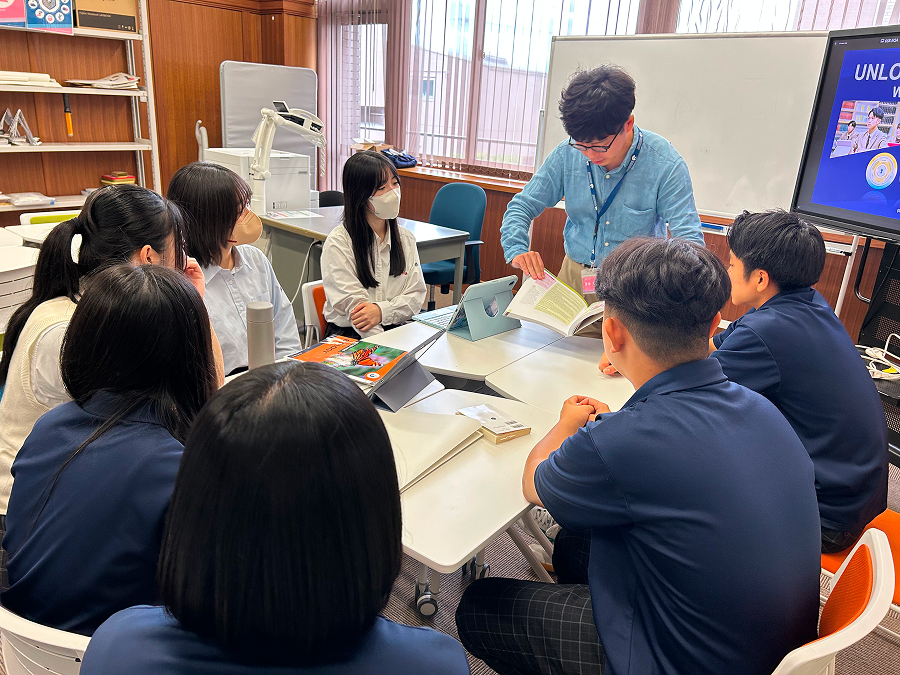
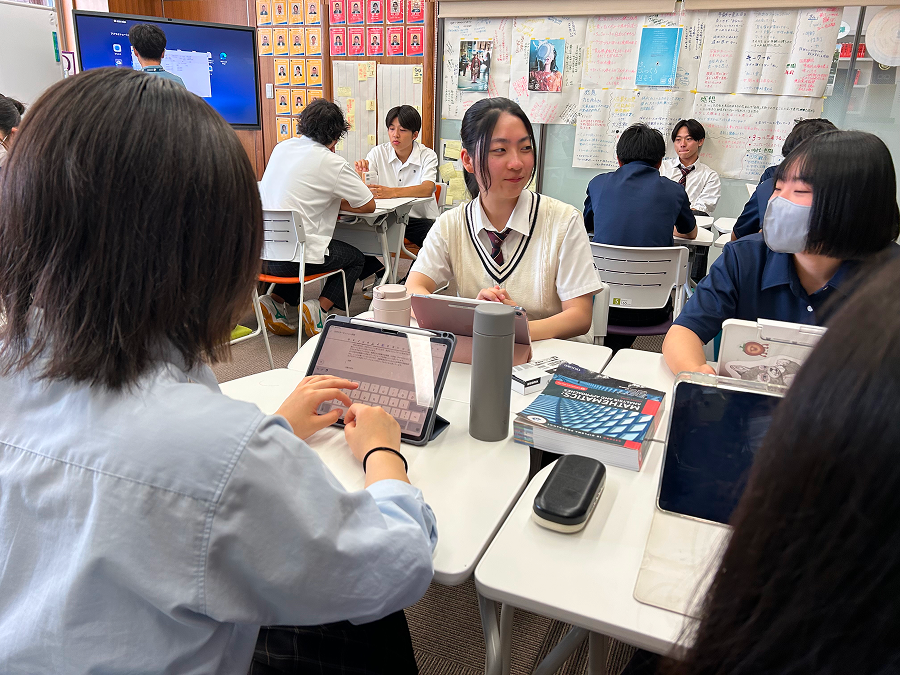
The CP offers a stark contrast. It encourages students to delve deeply into subjects that interest them, engage in inquiry-based learning, and demonstrate their understanding through diverse assessment formats such as portfolios, projects, and reflective writing.
This shift enhances student engagement and aligns education with the demands of the 21st century. The CP prepares students to be adaptable, resilient, and globally minded by focusing on academic and practical competencies.
Career-related studies: building bridges to the future
One of the most distinctive features of the CP at Nagano Nihon University Schools is its approach to Career-related Studies. Students gain early access to specialized knowledge and professional environments through collaboration with Nihon University’s 16 faculties and 86 departments.
This exposure helps students make informed decisions about their future, develop relevant skills, and build confidence in their chosen paths. CRS goes beyond traditional career guidance by offering immersive, hands-on learning experiences that deepen understanding and spark ambition.
The result is a more personalised and purposeful education that connects students with real opportunities and empowers them to shape their futures.
Guidance for Japanese schools considering the CP
For other schools in Japan exploring the possibility of adopting the CP, Nagano Nihon University Schools' experience offers valuable insights. The most crucial consideration is alignment with the school’s educational philosophy. The CP is best suited to institutions that value both academic inquiry and career readiness and are prepared to support students in exploring specialised interests from an early stage.
Successful implementation also requires a committed and well-prepared staff. Teachers must be equipped to deliver both DP subjects and CRS content and to guide students through the CP core components. With the right infrastructure and mindset, the CP can be a transformative addition to any school’s curriculum.
Takeaways
- International recognition: CP accreditation affirms the school’s commitment to global standards and opens new student pathways.
- Integrated learning: The CP blends academic rigour with career relevance, preparing students for diverse futures.
- Work readiness: Students gain practical skills and human competencies essential for success today.
- Innovative evaluation: CP moves beyond rote learning, fostering inquiry, creativity, and personal growth.
- Scalable impact: With institutional support, the CP can serve as a transformative model for Japanese secondary education.
Read this blog in Japanese — click here for the full version
