

By Shante Reagon, School Counselor, East Nashville Magnet Middle School, Nashville, Tennessee, USA
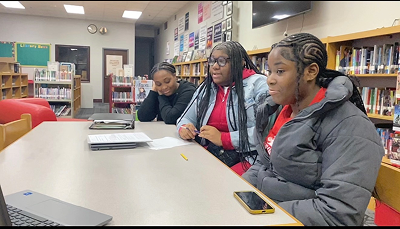
When students engage in the Middle Years Programme (MYP) Community Project, they are encouraged to identify authentic issues, explore them with curiosity, and take meaningful action. At East Nashville Magnet Middle School, a partnership with the National Coalition for Improvement in Education (NCIE) transformed this process into a powerful real-world learning experience—one that extended beyond the classroom and deepened students’ understanding, skills, and impact.
How the partnership began
The collaboration began in November 2025, when East Nashville Magnet Middle School hosted NCIE during a conference visit. As educators committed to strengthening urban education, NCIE members chose to meet in a school setting that reflected the communities they serve. During their visit, I recognized an opportunity and invited them to listen to students practice their MYP Community Project presentations.
What began as a simple request quickly evolved into a meaningful partnership. NCIE members agreed to serve as external advisors, offering students feedback informed by diverse professional perspectives. This created an authentic audience and gave students the opportunity to refine their thinking in ways that extended beyond typical classroom expectations.
“We chose this topic because many teens often get pregnant at a young age. We wanted to bring awareness to it and help prevent it in the future. Our interviewer helped us develop more ideas to add to our plan so we can succeed in spreading awareness.” — Kenya L.
How outside voices strengthened the project
Through virtual sessions on Microsoft Teams and Zoom, NCIE members listened to student presentations and provided targeted feedback aligned with MYP Community Project objectives. Their guidance encouraged students to clarify their reasoning, strengthen their research, and consider the broader implications of their work.
Students were not simply rehearsing presentations; they were learning to articulate their ideas with evidence, respond thoughtfully to probing questions, and refine their plans based on constructive critique. This process helped them better understand how to communicate effectively with audiences beyond their immediate school environment.
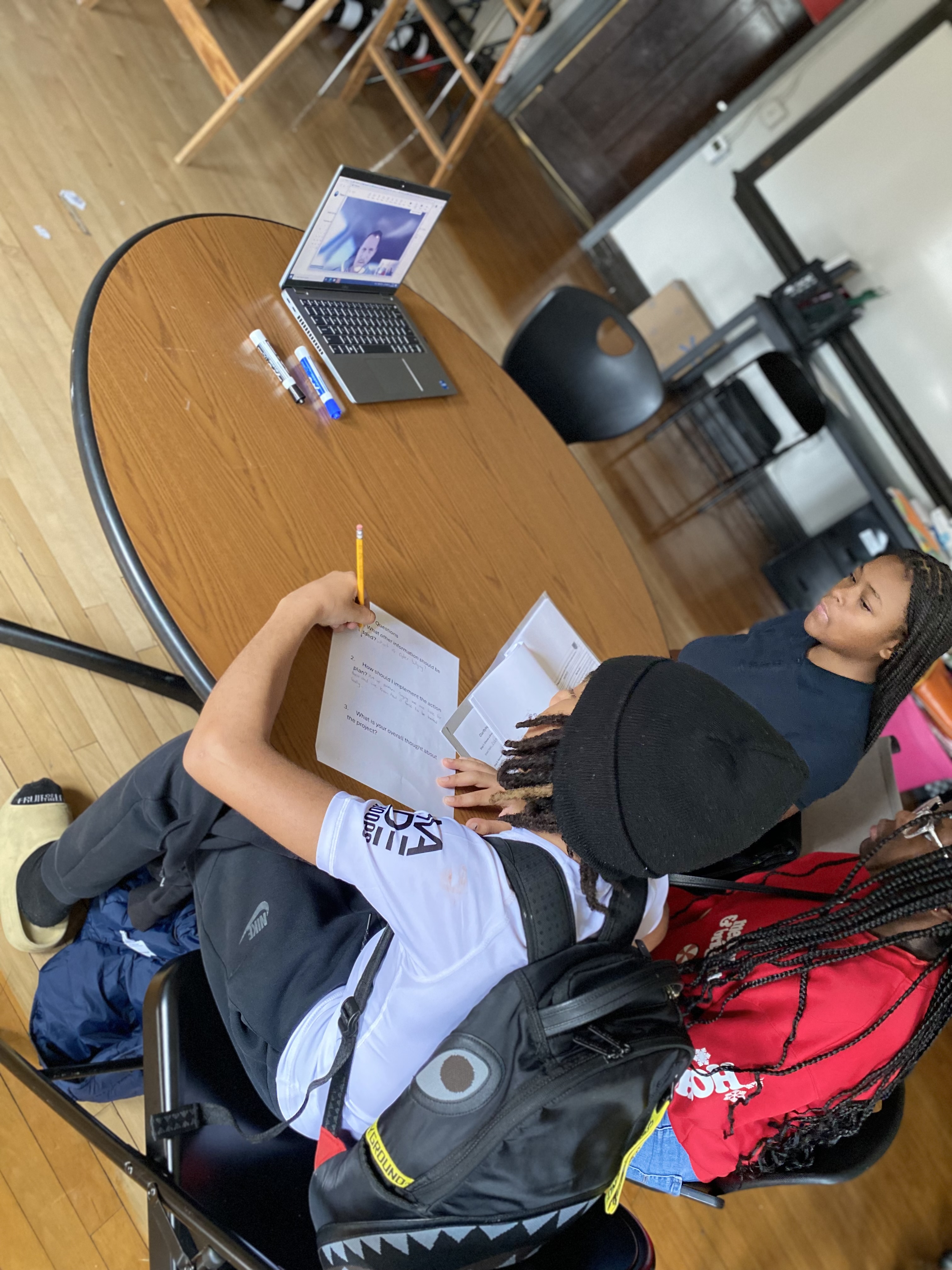
“This experience helped me better understand the topic while also strengthening my communication and research skills.” — Kamaria B.
What students learned
Working with external advisors provided students with opportunities to develop essential Approaches to Learning (ATL) skills, including communication, research, critical thinking, and collaboration. Students prepared interview questions, practiced active listening, took purposeful notes, and used evidence to support their decisions.
Equally important, students gained confidence in engaging with professionals they had not previously met. They learned how to present their ideas clearly, justify their choices with data, and adapt their thinking in response to feedback. These are transferable skills that extend beyond the Community Project and prepare students for future academic and professional experiences.
Learning through challenge and reflection
The process was not without challenges. Weather disruptions, including ice storms, affected scheduled meetings and required adjustments to timelines. However, these obstacles became opportunities for growth. Students demonstrated resilience by rescheduling sessions, adapting to virtual communication formats, and maintaining momentum despite setbacks.
They also refined their communication strategies—focusing on tone, body language, and clarity—while continuing to strengthen their critical thinking. These experiences reinforced that meaningful learning often occurs when plans shift and students must adapt.
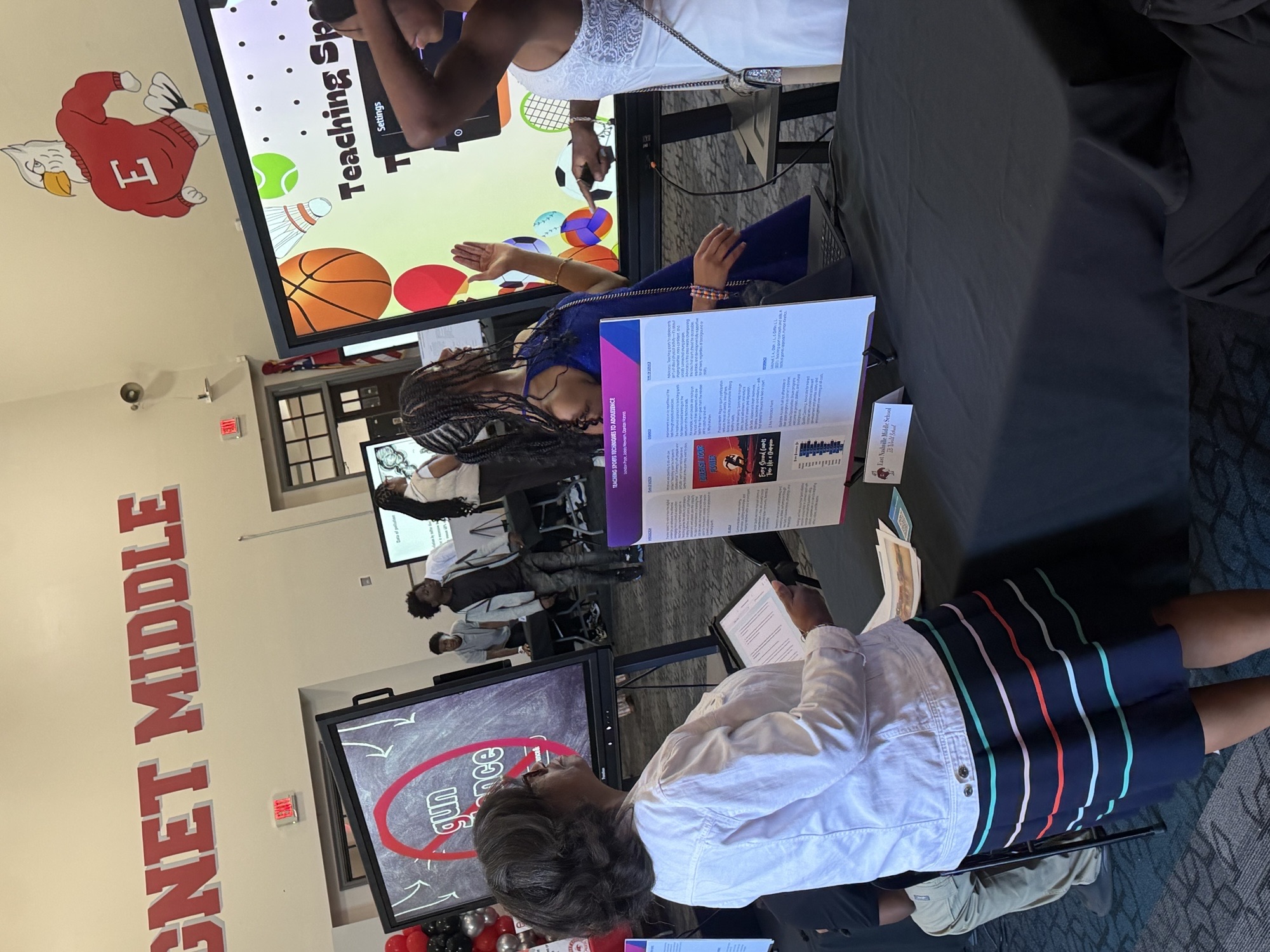
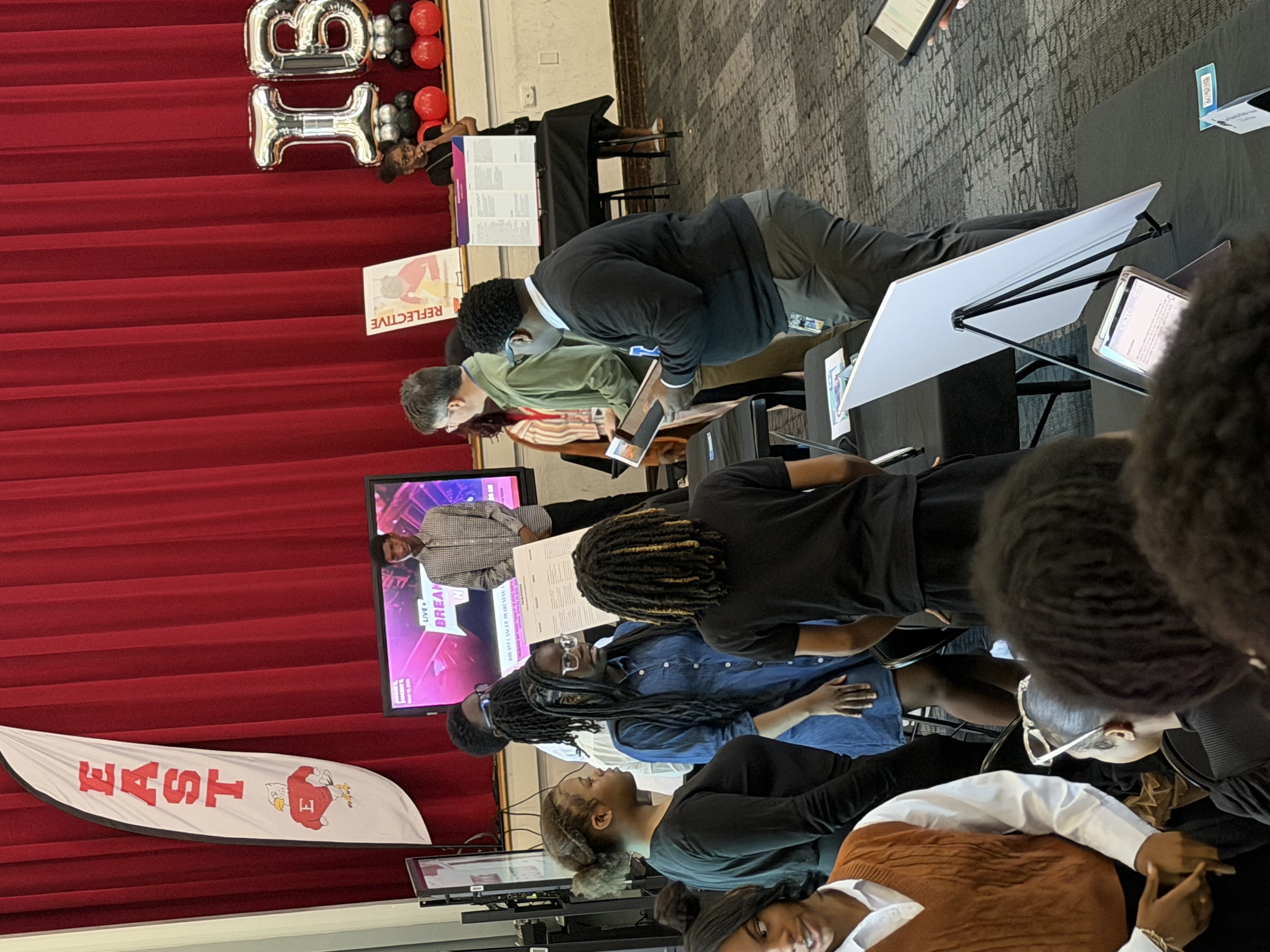
“Presenting to the community and administrators showed me how much critical thinking this project required. People asked questions about why we picked this topic, and it reinforced that we had chosen something that could make a positive impact.” — Kenya L.
Why this matters for the IB community
This partnership exemplifies the core principles of the International Baccalaureate. It fostered inquiry, reflection, and meaningful action while connecting students with a broader community of educators and professionals. By engaging with authentic audiences, students deepened their understanding of real-world issues and strengthened their ability to communicate across contexts.
The experience also highlights how partnerships can enhance the Community Project by making learning more purposeful and impactful. Students moved beyond theoretical exploration to practical application, demonstrating agency as they shaped their projects and responded to real feedback.
What comes next
Looking ahead, this partnership provides a model for sustaining and expanding Community Project support. NCIE members will contribute feedback through a structured questionnaire, helping refine the process and strengthen future collaborations.
The goal is to continue creating opportunities for students to engage with external partners, build meaningful relationships, and apply their learning in authentic contexts. Through continued collaboration, students will not only enhance their Community Projects but also carry forward the skills and confidence they have developed into future academic, career, and community endeavors.
Takeaways
- Strong partnerships create authentic opportunities for students to test, refine, and strengthen their ideas.
- External advisors deepen student thinking and improve communication with real-world audiences.
- Collaboration with professionals builds essential skills in research, problem-solving, and relationship-building.
- Challenges in the process can become meaningful learning experiences through adaptation and reflection.
- The MYP Community Project can serve as a bridge between classroom learning and real-world impact.
- Partnerships empower students to exercise agency, take informed action, and engage meaningfully with issues that matter to them.
