

The International Baccalaureate (IB) is moving forward with the next phase of its new Systems Transformation course, following approval this month by the IB Board of Governors. The new course is designed to help students understand and address complex global challenges by using their knowledge to take meaningful action.
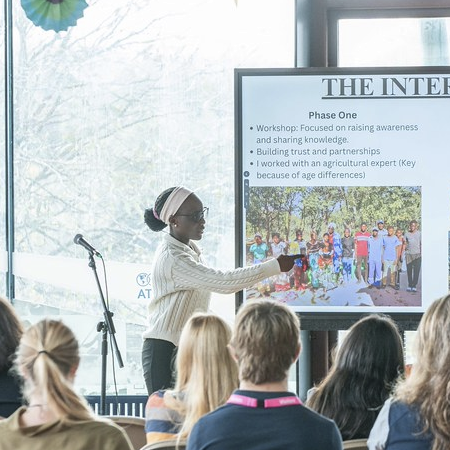
The 300-hour course, equivalent to two standard-level courses, is being developed within the IB’s Diploma Programme (DP) and counts as two of the six courses DP students take. The course requires students to work collaboratively across disciplines, investigate complex systems, and develop practical responses to real-world issues in their communities.
The initial pilot phase involved deep collaboration with four experienced IB schools: UWC Atlantic, the United World College of South East Asia, Upper Canada College, and Mulgrave School. The Board’s approval enables the IB to move the course to a wider pilot involving around 20 additional schools planned for 2028, followed by a planned global offering in 2030.
IB Director General Olli-Pekka Heinonen described Systems Transformation as one of the most significant evolutions within the Diploma Programme since its creation in 1968.
“Systems Transformation brings the original purpose of the IB into today’s world,” Heinonen said. “The IB was founded on the belief that education should help young people build a better and more peaceful world. This course asks students not only to learn about complex challenges, but to use their knowledge, judgment and collaboration to make a genuine difference.”
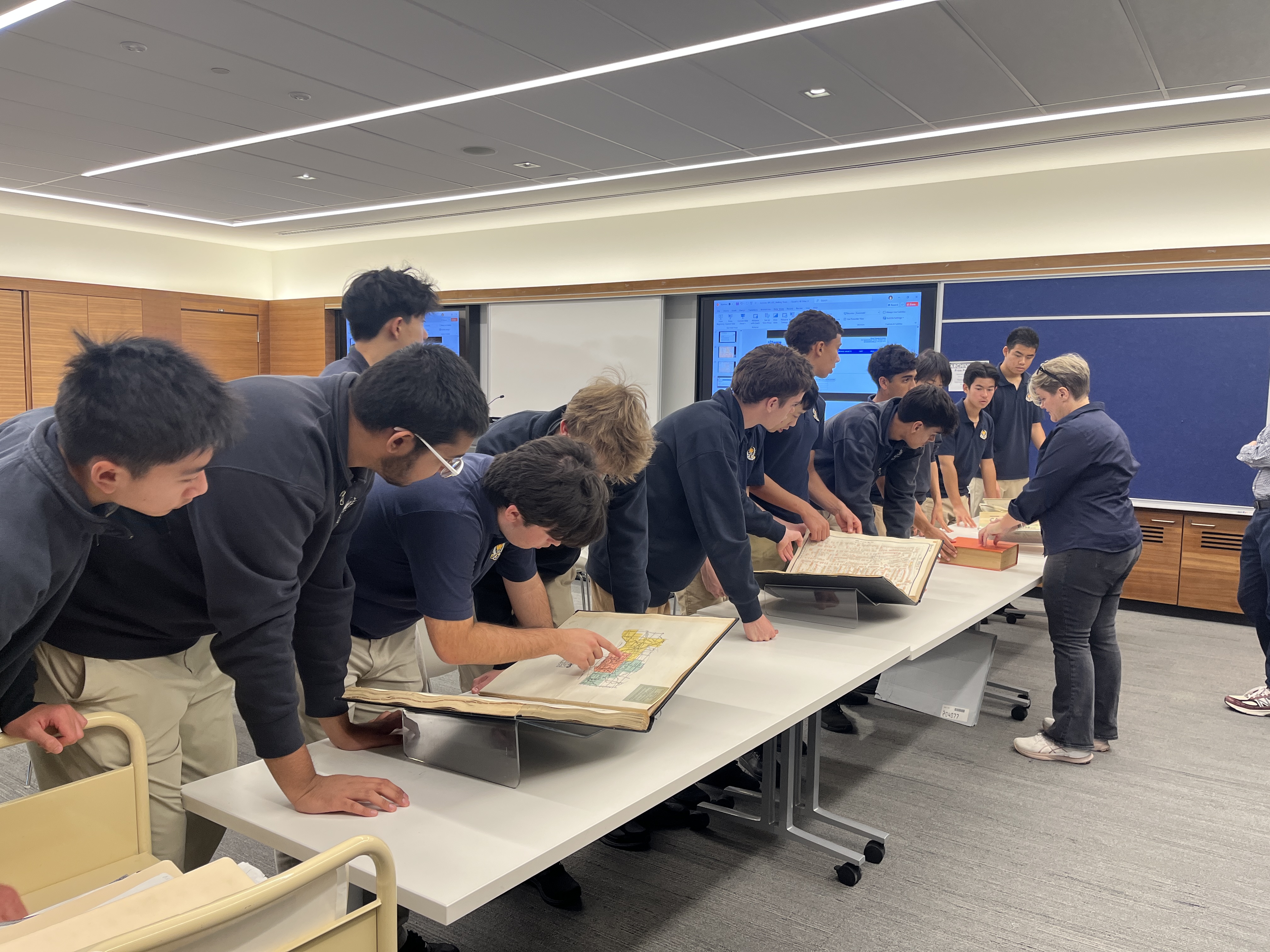
Early feedback from pilot schools has been positive, with students reporting high levels of motivation and educators noting the value of connecting learning more directly to real-world issues. Pilot projects have seen students converting food waste into biogas for communities in Kinshasa, DRC, promoting biodiversity in agriculture through seed banks in Nepal, and creating a sticker album to raise awareness about endangered species in a semi-arid Brazilian biome.
“We often tell young people about challenges such as climate change, inequality or technological disruption, but education can stop at the point where students begin to ask what can be done,” Heinonen said. “Systems Transformation gives students structured opportunities to practice judgment, take action and develop leadership.”
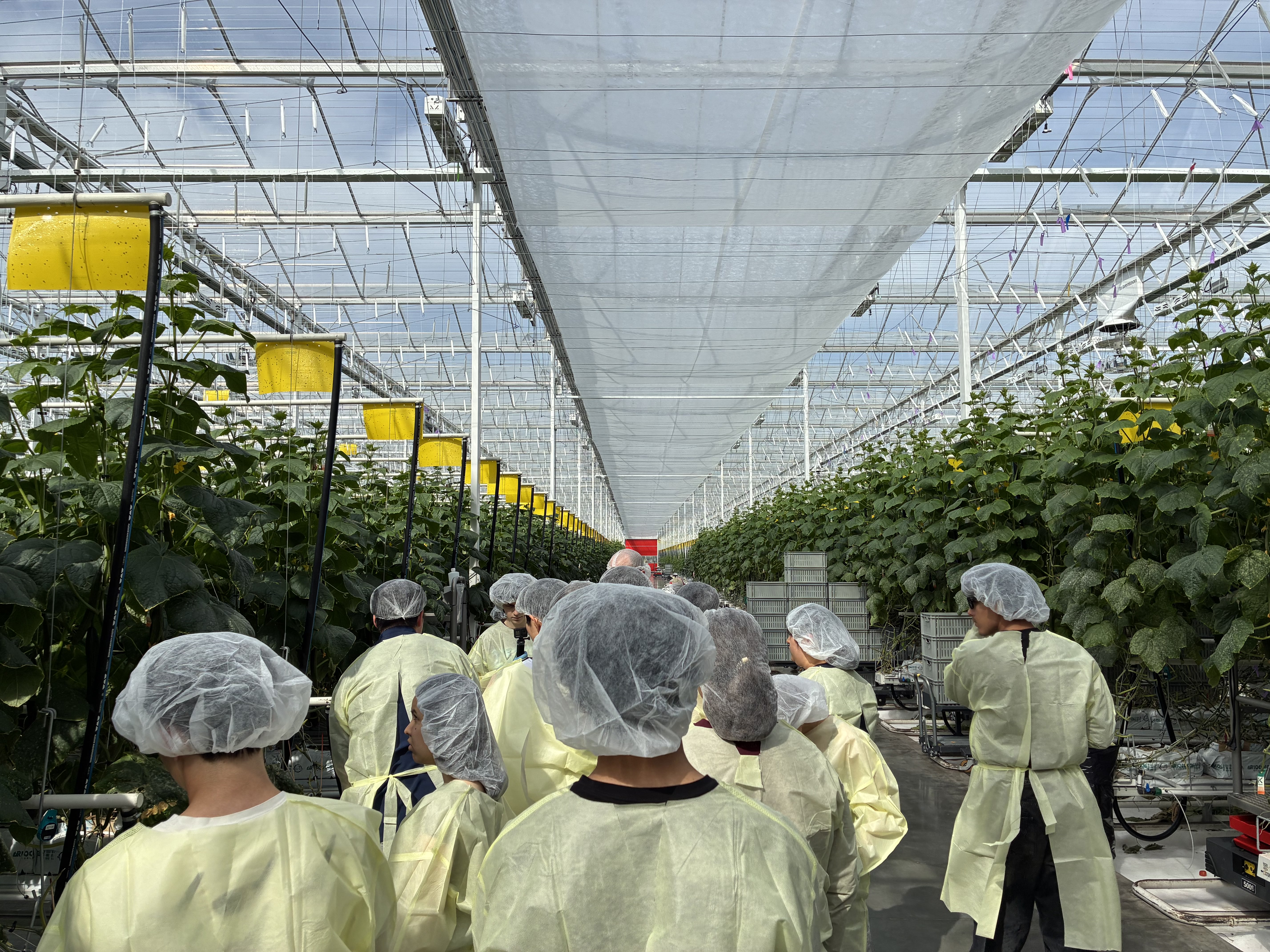
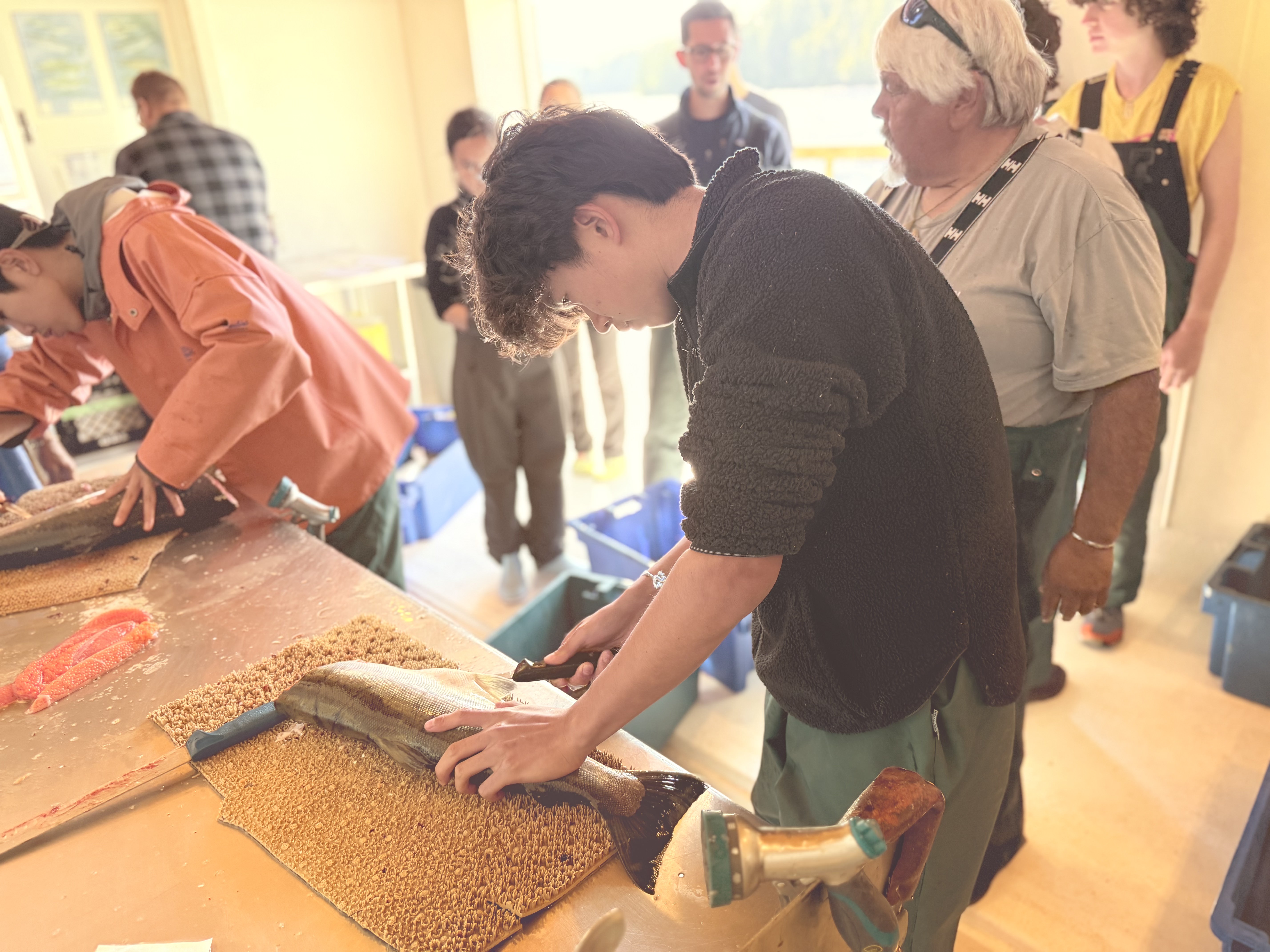
Course participants are assessed on project, portfolio and case-study work. This reflects the IB’s broader commitment to ensuring that assessment captures not only what students know, but how they apply knowledge, consider different perspectives, and make judgments.
The IB currently supports over 6,200 schools across more than 160 countries. The DP is the organisation’s most widely adopted programme, with more than 3,900 schools offering the programme.
 is moving forward with the next phase of its new Systems Transformation course, following approval this month by the IB Board of Governors. The new course is designed to help students understand and address complex global challenges by using their knowledge to take meaningful action.)