

By Yaqing Su, Shen Wai International School, Guandong, China. Currently studying at the University of Arizona, US.
How my interest in astrophysics began
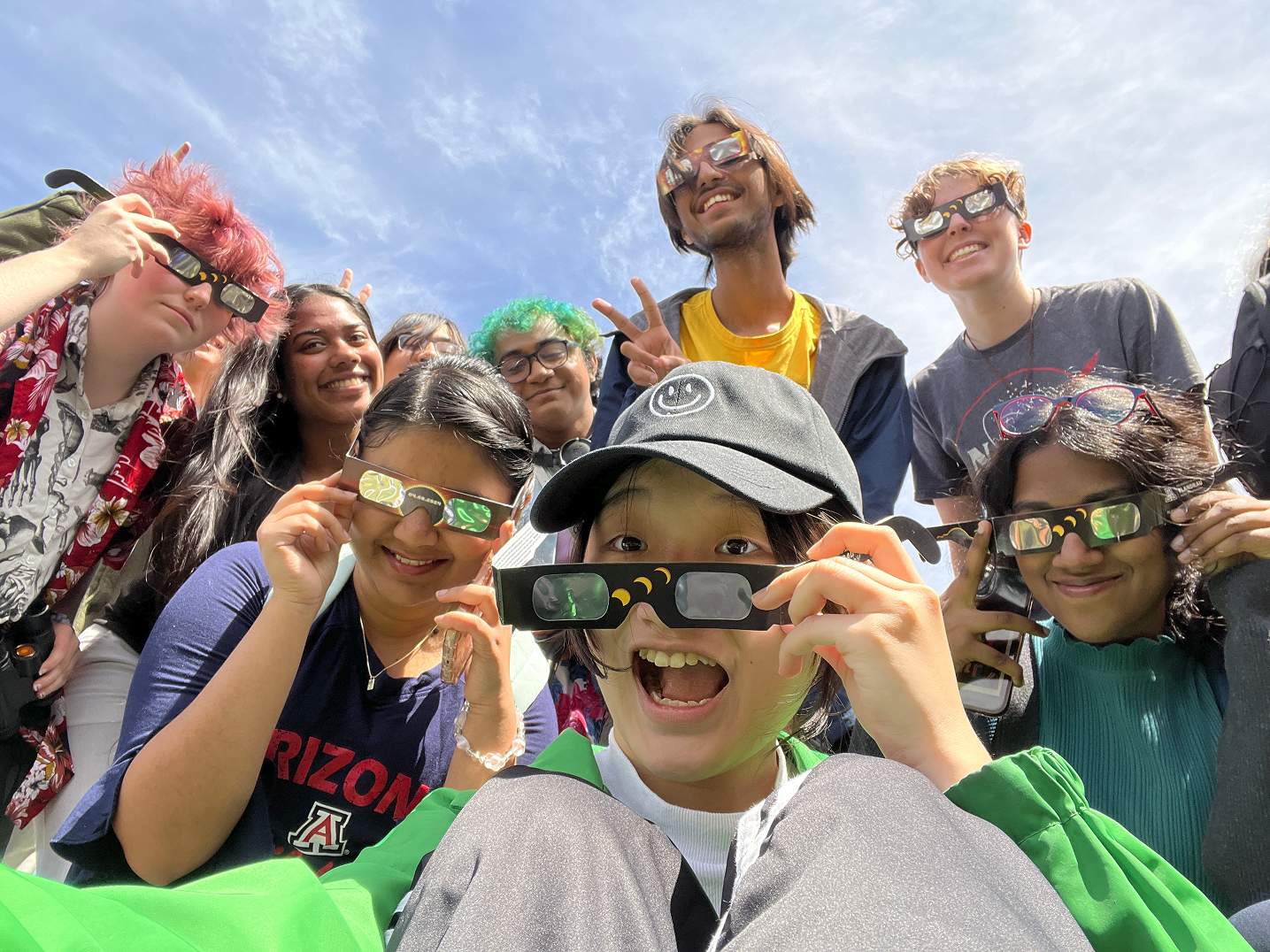
Growing up, I watched a lot of nature documentaries, about animals, space, and how humans have developed over time. I was always curious about history, and for me, astronomy felt like a way to study the past in real time.
Astrophysics brought that curiosity together. It helps explain events that happened billions of years ago and gives us insight into things much bigger than ourselves. The more I learned, the more I realised I never got bored with it. That’s when I knew it was something worth pursuing.
Finding my passion during the DP
Like many students, I spent a lot of time studying material that I knew I might not use again. But my Physics Internal Assessment (IA) stood out.
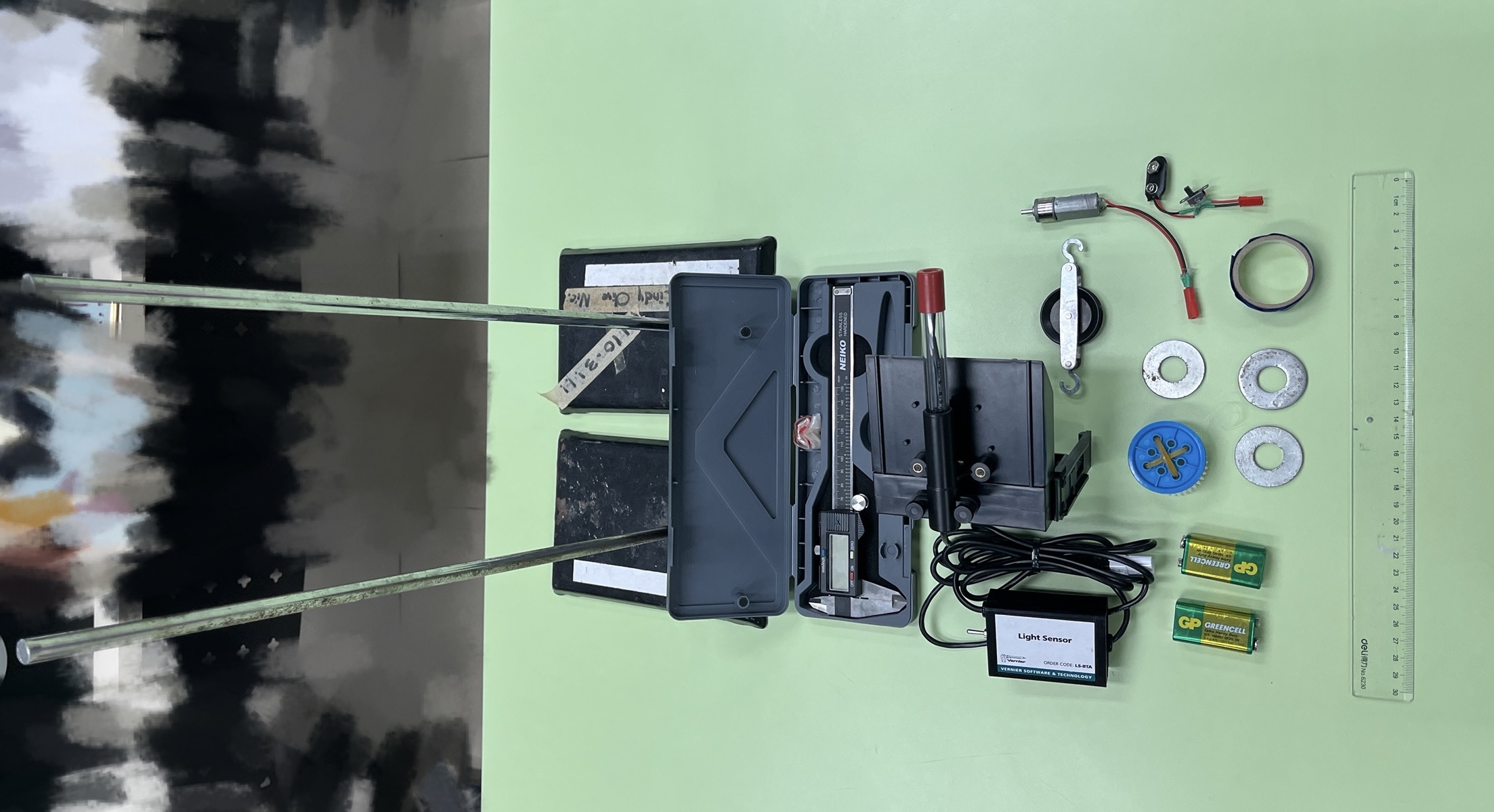
For the first time, I was able to work on something that truly connected to my interests. I built a model of a transiting ‘’ - a planet outside our solar system, using simple materials like small motors, fishing line and playdough. It wasn’t perfect, but it felt exciting and personal. It showed me that learning could be creative and meaningful.
My Physics IA: modelling a transiting exoplanet
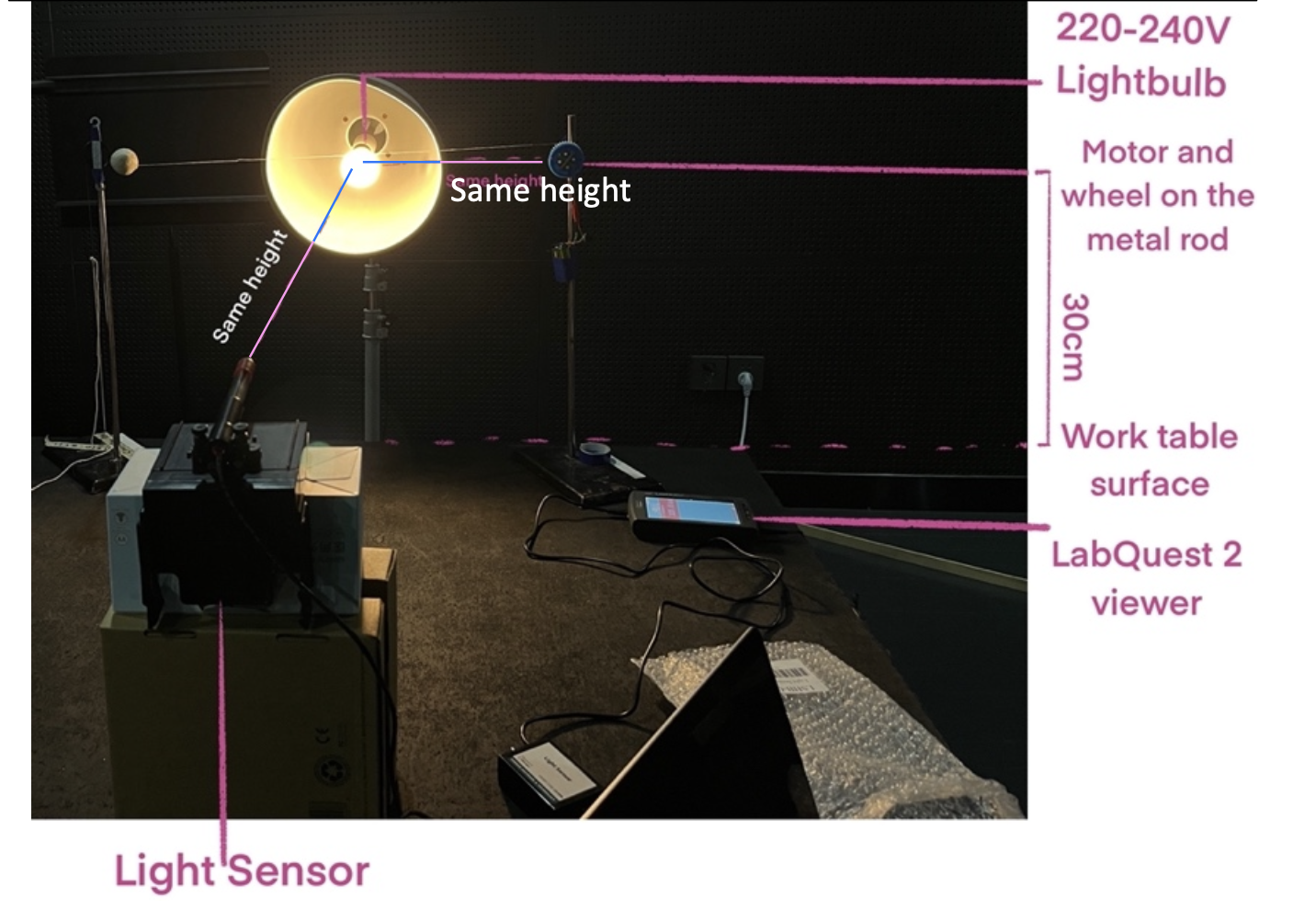
For my IA, I explored how the size of a sphere affects the intensity of light when it passes in front of a light source. In simple terms, I was modelling how an exoplanet blocks light from a star, producing different light curves.
I built the whole setup myself using materials I could find. I wanted to connect my interest in astronomy with the physics I was learning in class, and this project helped me do so. It helped me understand not just the theory, but how these ideas work in practice.
A path I didn’t expect
At the time, I didn’t expect that I would work on exoplanets again. I just knew I wanted to try astronomy in university.
Then something unexpected happened. In my junior year, I ended up in a research group observing a transiting planet because I filled out an interest form incorrectly. That moment changed everything and gave me a real opportunity to apply what I had learned.
How the DP shaped the way I learn
Moving from the IB to university in the United States felt surprisingly smooth. I already had strong essay-writing skills and a clear time-management system.
More importantly, the IB taught me how to use my resources and stay open-minded. Even though tools like AI weren’t widely used when I was at school, I developed a flexible approach to learning. That adaptability has helped me grow quickly at university.
Learning to ask questions
One of the most important skills I gained from the IB was inquiry, although I didn’t fully understand it at the time.
Looking back, I realise that being willing to ask questions and take ownership of my work made a big difference. At university, I’ve seen that students who bring their own ideas forward are more likely to get involved in research. That mindset started during my IB experience.
The people who supported me
Throughout the IB, I had teachers who made a real impact. They created a space where I felt supported and encouraged to explore my interests.
One teacher helped me understand that there isn’t just one path in astronomy, and that success doesn’t only come from well-known organisations like NASA. Another teacher even let me use the drama classroom to run my IA experiment.
Those moments made me feel supported rather than restricted, and that made a big difference to my confidence.
Taking the next steps
After the IB, I chose to study at the . It was a big decision, especially given the cultural differences, but with my college counsellor's support, I saw it as the best way to develop my passion.
Once there, I actively looked for research opportunities and joined projects with professors and organisations.
Observing exoplanets in real life
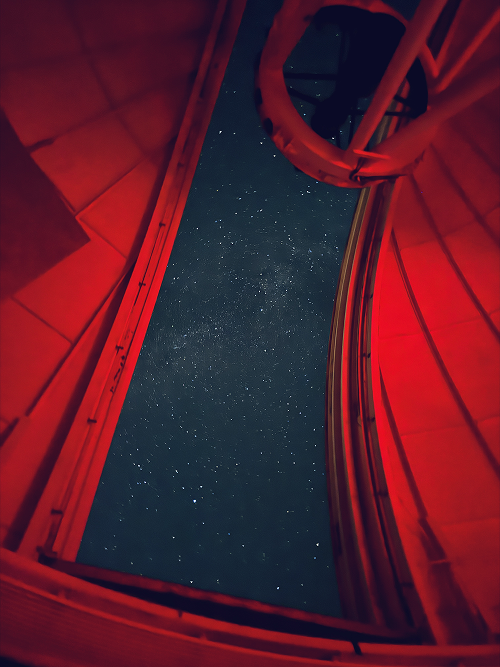
Recently, I had the chance to work on a project observing a transiting exoplanet at Mount Lemmon Observatory.
This involved taking hundreds of images of a star field and analysing the target star's brightness over time. By doing this, we could detect the presence of an exoplanet by observing how its light changes.
It was exciting to move from theory and models to real observations.
Connecting my DP learning to my work today
Looking back, my Physics IA connects closely to the work I’m doing now. The study of light curves remains central to observing exoplanets.
The skills I developed, especially writing scientific reports and presenting data clearly, have also stayed with me. Even though the level is different now, the foundation I built during the IB has been incredibly useful.
A message to IB students
If you’re unsure about what you want to do, that’s completely okay. You don’t need to have everything figured out in high school.
Try different subjects, build your foundations, and give yourself time to explore. And don’t mistake a difficult day for a lost interest; sometimes it just means you’re learning something new.
Looking back and forward
It’s amazing to see how much can change in just a few years. Turning a simple classroom experiment into real scientific work is more than I expected.
It reminds me that growth comes from taking small steps, staying curious, and being willing to take risks. And it motivates me to keep going.
Takeaways
- Your interests don’t need to be fully defined early on; exploration is part of the journey
- Real learning happens when you connect your studies to what you care about
- Asking questions and taking initiative can open unexpected opportunities
- Supportive teachers and environments can make a lasting difference
- Small school projects can grow into real-world experiences with time and persistence
